 Written by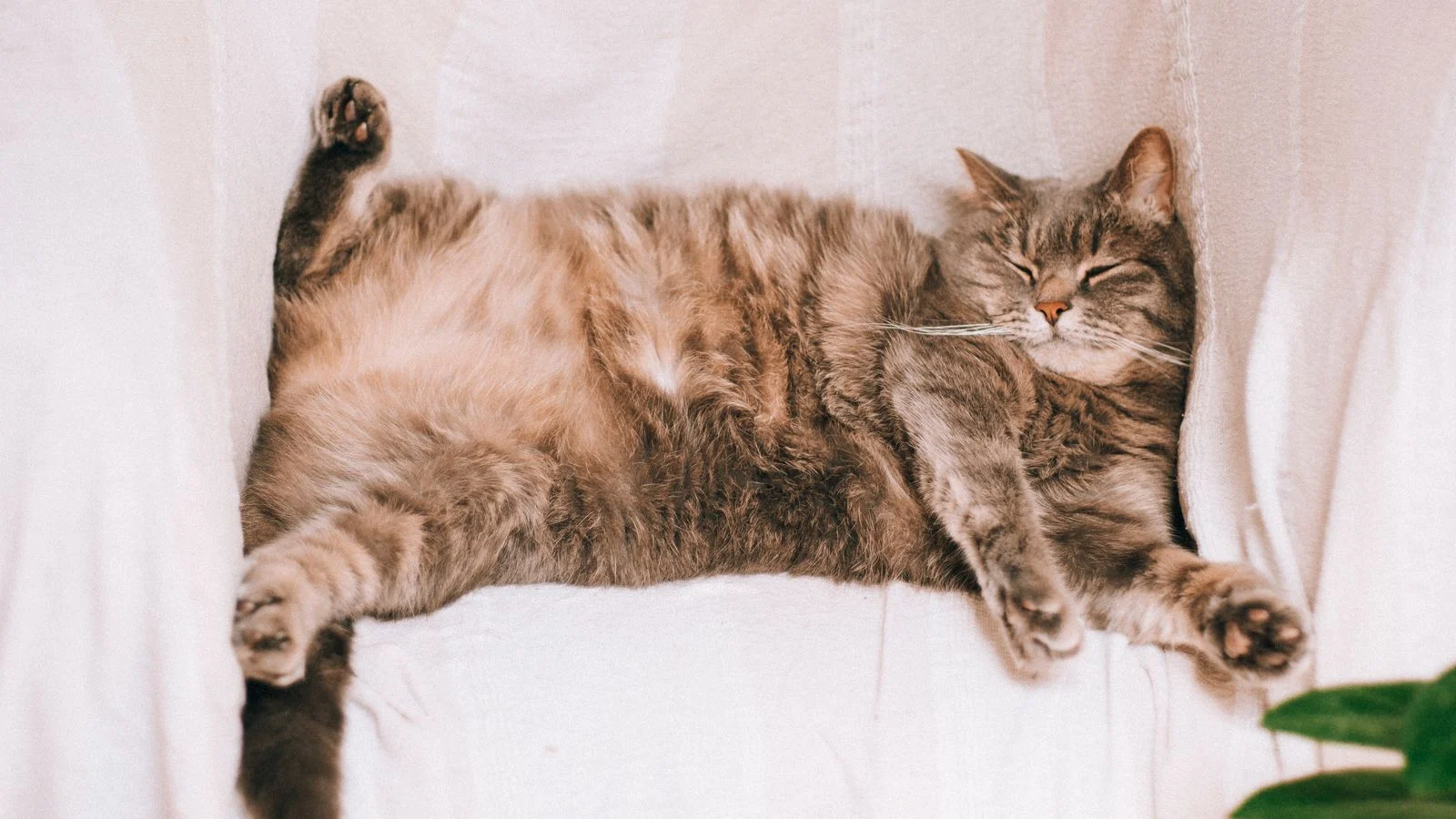
If your veterinarian has gently suggested your cat could stand to lose a few pounds, you are far from alone. Many indoor cats in the United States carry extra weight, and it can sneak up slowly, one generous scoop at a time. The good news is that a safe, gradual approach to overweight cat weight loss really works, and it can add comfortable, playful years to your cat’s life. This guide walks you through the practical, gentle steps that help without stressing your cat or your household.
Why Feline Weight Matters
Carrying extra weight puts strain on a cat’s joints and organs, and it raises the risk of diabetes, arthritis, and other chronic problems. The AVMA and ASPCA both note that maintaining a healthy body condition is one of the most protective things you can do for a pet. A lean cat moves more freely, grooms more easily, and often simply feels better day to day.
Before you change anything, start with a checkup. Your veterinarian can confirm your cat is truly overweight using a body condition score, rule out underlying conditions, and set a safe target. This step matters because cats should never crash-diet. Rapid weight loss in cats can trigger a dangerous liver condition called hepatic lipidosis, so slow and steady is the only safe path.
Slow Feeding for Weight Control & Portion Management
Get our expert guide delivered to your inbox — plus an exclusive 15% discount code for your first order.
Set a Safe, Slow Pace
A healthy rate of loss for most cats is small and gradual, often just a fraction of their body weight per week. Your vet will translate that into a target you can track at home. Rather than eyeballing progress, weigh your cat every week or two. A simple trick is to weigh yourself, then weigh yourself holding your cat, and subtract. Write the numbers down so you can see the trend over a month rather than reacting to daily wobbles.
Patience pays off here. A cat that loses weight too fast is at real risk, while a cat that trims down over several months usually keeps the weight off for good.
Rethink Portions and Food
Free-feeding a full bowl all day is one of the most common reasons cats gain weight. Instead, measure meals with an actual measuring cup or a small kitchen scale. Ask your veterinarian how many calories your cat needs for gentle weight loss, then divide that into two or three set meals.
Many vets recommend a higher-protein, portion-controlled diet, and some suggest a therapeutic weight-management formula. Wet food can help too, since its higher moisture content and lower calorie density leave many cats feeling fuller. Whatever you choose, transition slowly over a week or two to avoid stomach upset, and check the FDA-regulated feeding guidelines on the label as a starting point, not gospel.
Watch the Treats
Treats and table scraps add up fast. A few extra bites a day can quietly erase all your careful portioning. Keep treats to a small share of daily calories, choose low-calorie options, and consider using part of your cat’s regular meal ration as rewards during play.
Slow the Eating and Add the Hunt
Cats are natural hunters who are wired to work a little for food. Gulping a full bowl in thirty seconds is neither satisfying nor good for digestion. This is where feeding enrichment becomes your best friend for weight loss. A slow feeder or puzzle feeder stretches out mealtime, helps your cat feel more satisfied, and burns a little mental and physical energy in the process.
Our Interactive Licking Bowl encourages a calmer, slower pace that pairs beautifully with portion control, while the Treat Maze Bowl turns a measured meal into a satisfying little puzzle your cat has to nose and paw through. Scattering a few pieces of the daily ration around the house, or tucking them into a feeder, taps into that hunting instinct and adds movement without a formal workout. For more ideas, see our guide to mealtime enrichment for indoor cats.
Get Your Cat Moving
Exercise supports weight loss and keeps muscles strong. Indoor cats, especially through long cold winters in the Midwest and Northeast, need us to bring the play to them. Aim for a couple of short, energetic sessions each day using wand toys, feather teasers, or a crumpled ball. Even five to ten focused minutes twice a day makes a difference. Vertical space like cat trees and shelves encourages climbing, and food puzzles keep a curious cat busy while you are at work.
Keep sessions fun and end on a win so your cat stays eager. Older or heavier cats may tire quickly at first, so build up gradually and let your vet guide you if your cat has arthritis or heart concerns.

Get Your Free Slow Feeding Guide
Everything in this article — plus portion charts, feeder comparisons and meal plans — in one printable PDF. A 15% discount code is included.
Frequently Asked Questions
How long should overweight cat weight loss take?
Plan for months, not weeks. Depending on how much weight your cat needs to lose, a safe program often runs several months to a year. Your veterinarian will set the target rate, but the guiding principle is always slow and steady to protect your cat’s liver.
Should I take food away completely if my cat is chubby?
No. Never starve a cat or skip meals to force quick loss, as this can trigger serious liver problems. Instead, feed measured, vet-approved portions on a schedule and let the weight come off gradually.
My cats free-feed together. How do I manage one cat’s diet?
Feed separately at set mealtimes, use different rooms, or try a microchip feeder so each cat only reaches its own food. Slow feeders in separate spots also help keep everyone on their own portion.
Start Small, Stay Consistent
Helping an overweight cat slim down is really about small, steady habits: measured meals, smarter feeding tools, daily play, and regular weigh-ins with your vet as your partner. Pick one change this week and build from there. When you are ready to make mealtimes work harder for your cat’s waistline, explore our feeders and enrichment tools in the Pets Sparkle shop and give your cat a healthier, happier routine.