 Written by
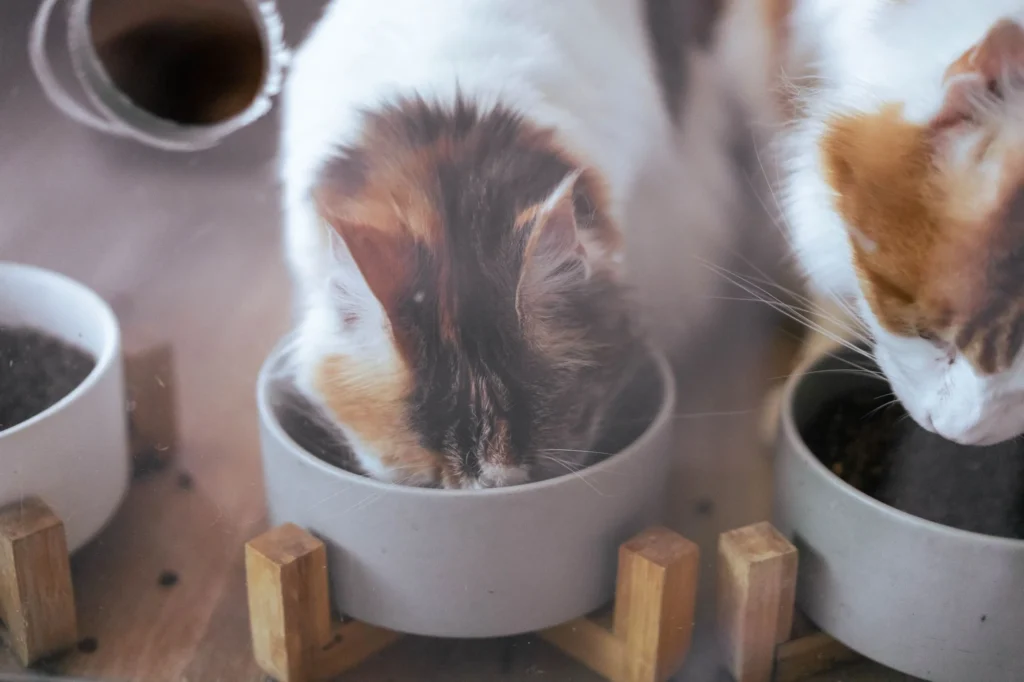
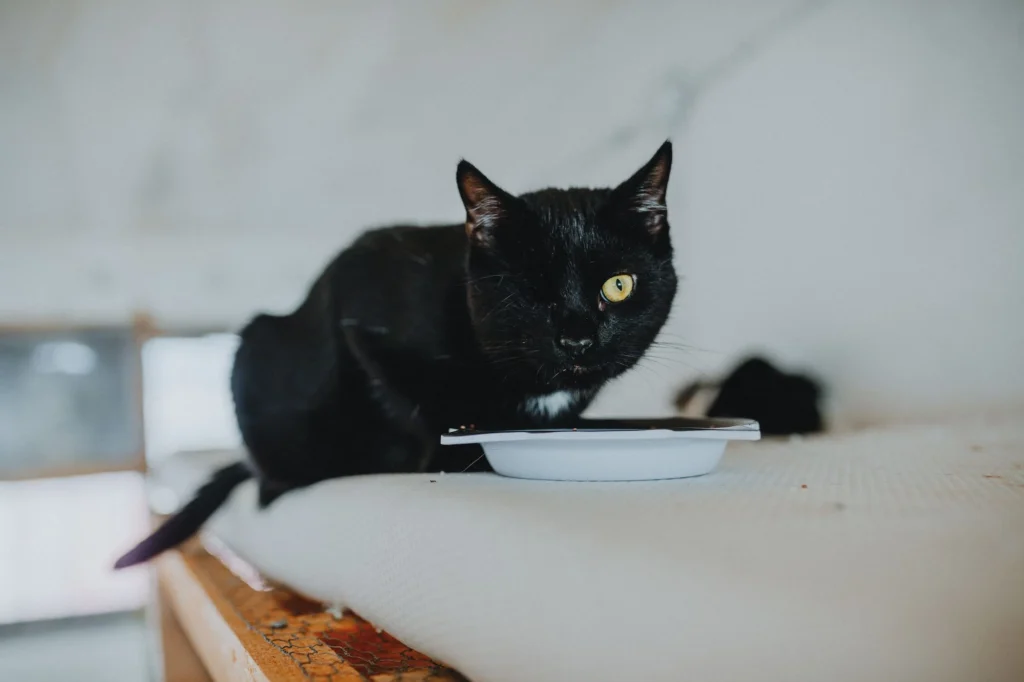
If your cat yowls at 5 a.m., inhales breakfast in seconds, or throws it back up minutes later, you may wonder whether a gadget could fix mealtime. The choice most cat owners face is automatic feeder vs slow feeder, and the two sound similar but solve very different problems.
This guide explains how each works, what veterinary organizations say about how cats prefer to eat, and which type suits fast eaters, overweight cats, multi-cat homes, busy owners, and seniors. You will also learn how to combine them and when to call your vet.
How an Automatic Feeder Works
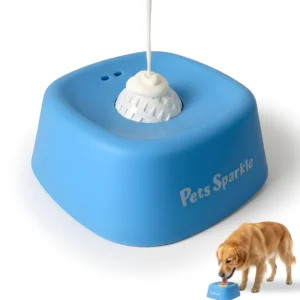
An automatic feeder is a container with a timer. You load it with food, set the times and portion sizes, and it releases a measured amount on schedule. Most models are built for dry kibble; some use lidded trays that open at set times. Power usually comes from batteries, a wall plug, or both.
The Cat Parent's Slow Feeding & Enrichment Handbook
Get our expert cheat sheet delivered to your inbox — plus an exclusive 15% discount code for your first order.
The key point: an automatic feeder controls when and how much your cat eats. It does nothing to change how fast your cat eats once the food drops into the bowl.
How a Slow Feeder Works
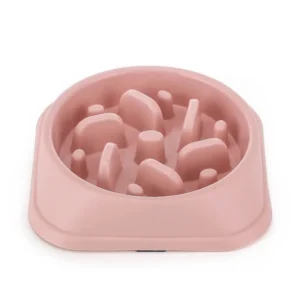
A slow feeder is a bowl, mat, or toy with ridges, mazes, or compartments that break the food up. Instead of scooping a whole mouthful at once, your cat has to pick out pieces with its tongue, teeth, or paw. Puzzle feeders take the idea further by making your cat roll, bat, or tip a device to release food.
A slow feeder controls how fast your cat eats. It does nothing about timing or portions. For a deeper look at designs, see our complete guide to slow feeders for cats, or our best slow feeder for cats picks.
How Cats Are Built to Eat
In 2018, the American Association of Feline Practitioners (AAFP) published a consensus statement on feline feeding programs. It points out that cats naturally eat frequent small meals, on their own, and that hunting and foraging are part of normal feeding behavior.
The AAFP contrasts this with common practice: a bowl that never empties or one or two large meals a day. Its recommended strategies include offering frequent small meals with appropriate puzzle feeders, scattering food in different spots so cats can forage, and using automatic feeders in some situations. It also stresses that the right plan has to be customized for each household.
The Cornell Feline Health Center adds practical context: for most adult cats, feeding once or twice a day is appropriate, and free feeding dry food can lead some cats to overeat and gain weight.
The takeaway: an automatic feeder can help you offer smaller, more frequent meals, while a slow or puzzle feeder brings back some of the foraging effort cats are built for.
Pros and Cons of Automatic Feeders
Pros
- Portion control. Pre-set amounts make overfeeding harder.
- A reliable schedule. Meals arrive on time, even when you work long hours.
- Several small meals. You can split the daily ration into more portions.
- Fewer early-morning wake-ups. When breakfast comes from a machine, many cats learn that pestering you at dawn does not make food appear.
Cons
- Jams and malfunctions. Kibble can block the dispenser, and a missed meal may go unnoticed.
- Power problems. Dead batteries or an outage can stop the schedule.
- Less visibility. When you are not serving meals yourself, it is easy to miss that your cat has stopped eating or is eating less, and Cornell notes that a lasting loss of appetite is a sign of many different feline health problems.
- Food stealing in multi-cat homes. A standard timed feeder dispenses to whoever shows up first, so a bold cat can eat a shy cat’s portion.
- No effect on speed. A fast eater can still gulp each portion in seconds.
Pros and Cons of Slow Feeders
Pros
- Slower pace. Breaking up the food means fewer big mouthfuls, which can help cats that tend to “scarf and barf.” If that sounds familiar, read our guide to why a cat throws up after eating.
- Mental and physical enrichment. International Cat Care notes that puzzle feeders can increase a cat’s physical activity and provide stimulation that helps prevent boredom.
- Support for weight management. Making food take effort fits the foraging approach the AAFP recommends, and it pairs well with a vet-guided calorie plan.
- Simple and low-maintenance. Nothing to program or break down.
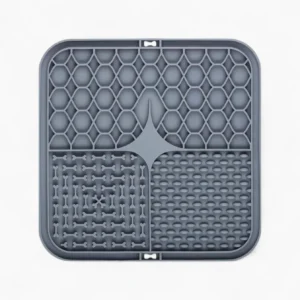
- Works with wet food. International Cat Care suggests a silicone ice cube tray as an easy way to puzzle-feed wet food.
Cons
- No timing or portion control. You still have to measure and serve each meal.
- Learning curve. Some cats get frustrated if the design is too hard at first.
- More cleaning. Grooves trap food.
- Not a cure for vomiting. If eating speed is not the cause, slowing your cat down will not solve it.
Automatic Feeder vs Slow Feeder: Side by Side
| Feature | Automatic Feeder | Slow Feeder |
|---|---|---|
| Main job | Controls meal timing and portions | Controls eating speed |
| Helps fast eaters | No | Yes |
| Helps with early wake-ups | Often | No |
| Enrichment | Minimal | Yes, especially puzzle styles |
| Wet food | Limited (depends on model) | Yes, with shallow or lick-style designs |
| Needs power | Yes | No |
| Multi-cat food stealing | Can happen | Can happen, but meals last longer and are easier to supervise |
| Lets you watch appetite | Less easily | Yes, you serve each meal |
| Main risks | Jams, power loss, missed appetite changes | Frustration if too hard, food trapped in grooves |
Which Cat Needs Which Feeder?
The fast eater
Choose a slow feeder. An automatic feeder only spaces out the meals; it will not stop your cat from gulping each one. A ridged bowl or maze is the direct fix for speed.
The overweight cat
Both can help, in different ways. An automatic feeder enforces measured portions, while a slow or puzzle feeder adds activity and stretches out mealtime. Start with your vet’s calorie target, then see our tips on helping an overweight cat slim down.
The multi-cat household
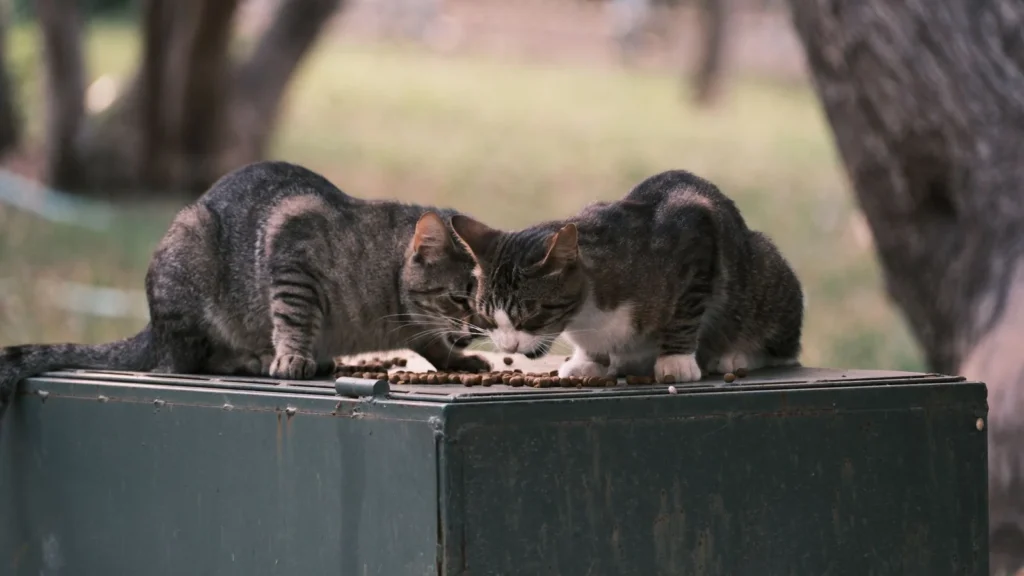
Neither device solves food competition on its own. The AAFP recommends multiple food and water stations, since some cats avoid other pets and may not eat often enough. Cornell also notes that feeding cats separately or in different rooms can help. Slow feeders in separate spaces usually work better than one shared timed feeder. Our guide to feeding multiple cats in one household covers setups in detail.
The busy owner
If you are out all day, an automatic feeder keeps meals on schedule. Use a slow feeder for the meals you serve yourself.
The senior cat
Older cats benefit from being watched at mealtime. A shallow, easy slow feeder usually fits better than a hard puzzle or a timed feeder.
The wet food eater
Most automatic feeders are designed for kibble. A shallow slow feeder or lick-style bowl is the simpler choice for wet food, served fresh at each meal.
Using Both Feeders Together
You do not have to pick only one. Many households get the best of both by:
- Using an automatic feeder for one or two small dry meals while you are asleep or at work.
- Serving the remaining meal, often wet food, in a slow feeder when you are home to watch.
- Offering part of the daily ration in a puzzle feeder for play, and reducing the other meals to match.
Keep the total daily amount the same across all devices. It is easy to overfeed when food comes from three sources. For more ideas on adding work to mealtime, see our cat puzzle feeders guide.
Introduce puzzles gradually. International Cat Care advises keeping some food in the regular bowl while your cat learns, and keeping the puzzle easy at first.
Safety and Hygiene Tips
- Test an automatic feeder before relying on it. Run it for several days while you are home.
- Keep backup power. Keep fresh batteries in, and cords away from chewers.
- Do not leave wet food out for hours. Serve it fresh and remove what is left.
- Wash bowls and trays regularly. Grooves and dispenser chutes collect crumbs and oils. Our step-by-step guide on how to clean a slow feeder helps.
- Keep an eye on eating. Whatever device you use, make sure each cat is really finishing its own meals.
When to Call Your Vet
A feeder cannot fix a medical problem. Watch for these signs:
- Your cat stops eating or eats much less. The Cornell Feline Health Center warns that loss of appetite can seriously affect an adult cat’s health if it lasts for as little as 24 hours, and advises contacting a veterinarian right away.
- Vomiting with other symptoms. VCA Animal Hospitals advises prompt care if vomiting comes with fever, lethargy, loss of appetite, abdominal pain, diarrhea, dehydration, or blood in the vomit, or if your cat may have swallowed something toxic or a foreign object.
- Ongoing vomiting. According to VCA, a cat that seems otherwise well but keeps vomiting for more than one to two days should see a vet.
- Bringing food up right after eating. VCA explains that regurgitation tends to happen quickly, without abdominal effort, and often right after eating.
- Unexplained weight gain or loss, or a sudden change in thirst or litter box habits.

Get Your Free Slow Feeding Cheat Sheet
Everything in this article — plus portion charts, feeder comparisons and meal plans — in one printable PDF. A 15% discount code is included.
Frequently Asked Questions
Is an automatic feeder or slow feeder better for a cat that eats too fast?
A slow feeder. An automatic feeder controls timing and portions, but your cat can still gulp each portion. A ridged bowl or puzzle feeder physically slows each bite.
Can an automatic feeder stop my cat from waking me up?
It often helps, because breakfast stops being linked to you. Keep the schedule consistent and avoid hand-feeding when your cat pesters you early.
Can I put wet food in an automatic feeder?
Only in models designed for it, and only for short periods. For wet food, a shallow slow feeder served fresh is simpler.
Will a slow feeder stop my cat from vomiting?
It may help if your cat vomits because it eats too fast. Vomiting has many other causes, so if it keeps happening or comes with other symptoms, see your vet.
Can I use an automatic feeder and a slow feeder at the same time?
Yes. Use a timed feeder while you are away and a slow feeder for meals you serve. Keep the total daily amount the same.
Find the Right Feeding Setup for Your Cat
Think of it this way: an automatic feeder manages the clock, and a slow feeder manages the pace. Fast eaters and cats that need more enrichment benefit most from a slow feeder, busy schedules and early risers may benefit from a timer, and many homes do best with both.
Pets Sparkle does not sell automatic feeders, but if pace and enrichment are your goal, browse our slow feeders and puzzle feeders for cats, including the Treat Maze Bowl, a maze-style bowl for cats and dogs, and the Puzzle Bites Feeder. If your cat gulps food, our guide to slowing down a cat that eats too fast has more ideas.
Sources
The veterinary and animal-welfare resources referenced in this guide:

Digital marketing specialist at BrightSeen Marketing Agency. Turns veterinary research into clear, practical feeding guides for pet parents.
Mahmoud works for BrightSeen Marketing Agency, which looks after our SEO and GEO and Meta ads.
View all articles by Mahmoud