 Written by
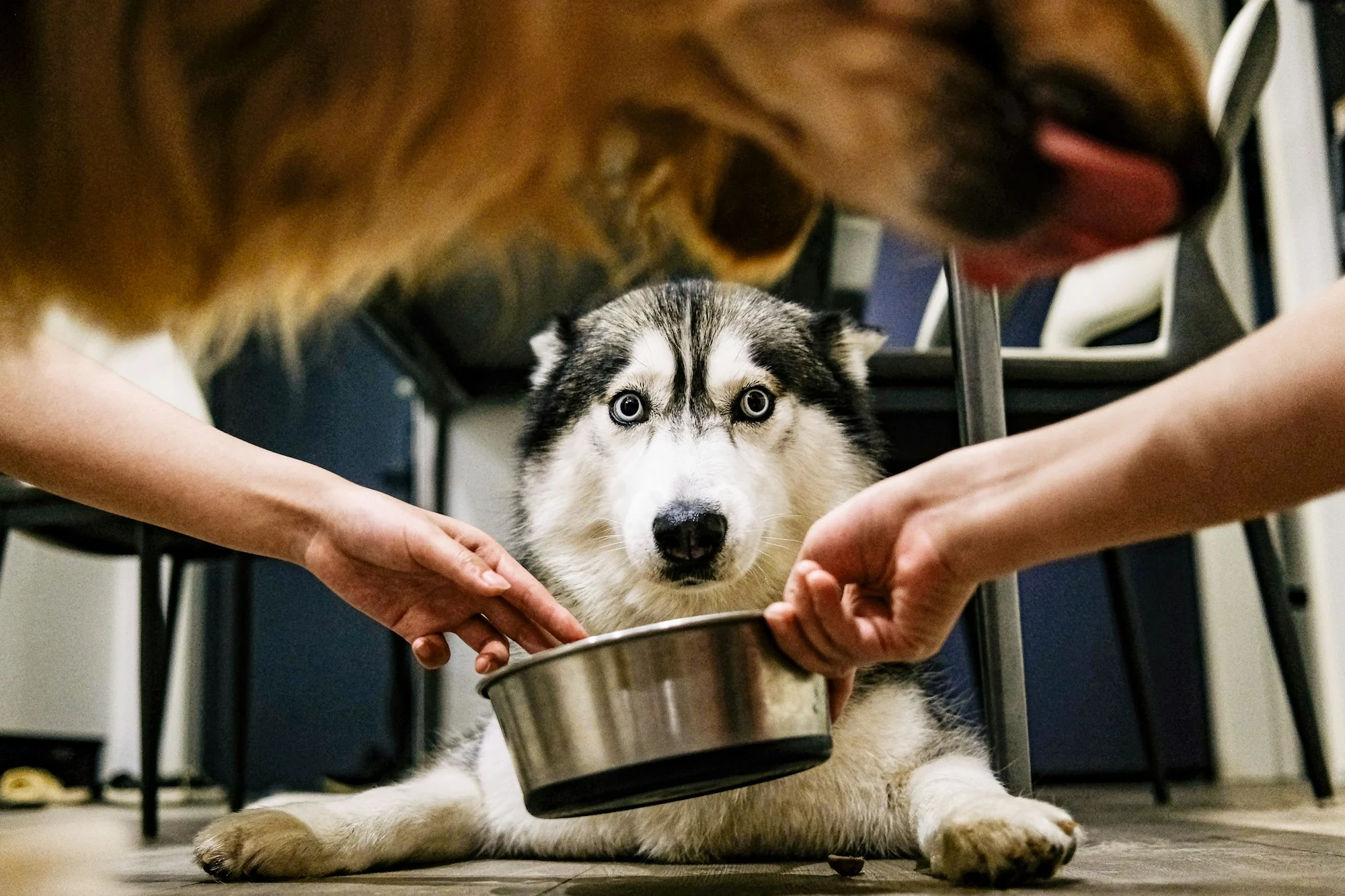
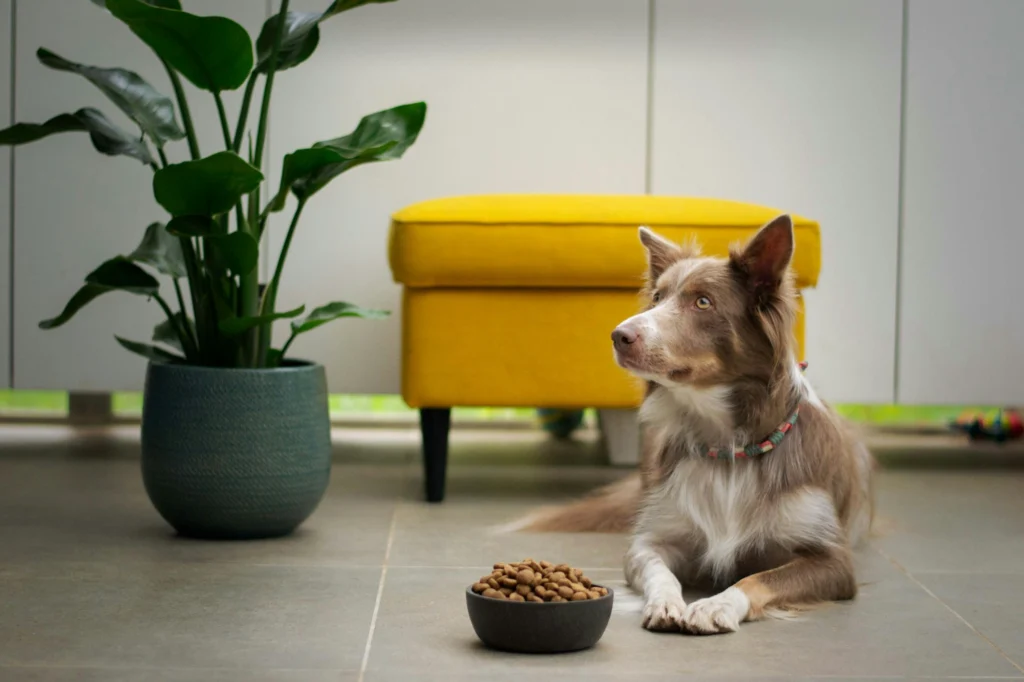
Dog food aggression is when a dog growls, freezes, snaps, or bites to protect its food bowl or a treat from people or other pets. It is a form of resource guarding, and the ASPCA describes guarding possessions as normal behavior for dogs, even though it can be dangerous in a family home.
The good news is that most cases can be managed safely, and many improve with slow, patient training. This post walks through the warning signs, why dogs guard food, how to set up mealtimes so nobody gets hurt, how the feeding setup itself can lower tension, and when to call in a professional instead of handling it on your own.
One safety note before you start: if your dog has bitten anyone, or you think it might, skip the training ideas below and contact your vet or a qualified behavior professional first.
Slow Feeding for Anxious, Reactive & Senior Pets
Get our expert cheat sheet delivered to your inbox — plus an exclusive 15% discount code for your first order.
What Is Dog Food Aggression?
Dog food aggression is guarding behavior that shows up around meals, chews, treats, or dropped food. A guarding dog is telling you, in dog language, “this is mine, stay back.” It is not a sign that your dog is bad, spiteful, or trying to be the boss of the house.
According to the ASPCA, resource guarding can range from relatively benign behavior, such as running off with an item or growling at an approaching person, all the way to biting or chasing a person away. Some dogs guard only from strangers, some from everyone, and some only from other pets.
Behaviorists also use the term possessive aggression. The American Kennel Club notes that resource guarding is also known as possessive aggression, and that the guarded item is not always food. Beds, toys, and even a favorite person can be on the list. This post focuses on the bowl, because that is where most owners first notice it.
Warning Signs at the Food Bowl
The earliest signs of food guarding are quiet body language changes, long before any growl. Learning them helps you stop a situation before it escalates.
The AKC lists these signs of resource guarding: stiffening the body over an item, a hard stare, “whale eye” (showing the whites of the eyes), lifting the lips, low growling, and baring the teeth. The ASPCA adds standing stiffly over the bowl, gulping the food, freezing, snapping, and chasing people away to its list of signs to watch for.
Here is a simple way to sort what you see:
| What you notice | What it can mean | What to do |
|---|---|---|
| Eating faster when you walk past | Mild worry about losing the food | Give space and watch for other signs |
| Freezing, hard stare, whale eye | Clear warning to back off | Calmly walk away; do not reach in |
| Lip lift or growl | Final warning before a snap | Step back and plan a safer setup |
| Snap, lunge, or bite | Guarding has become dangerous | Stop all exercises and get professional help |
A growl is useful information. If you punish it, your dog may learn to skip the warning and go straight to a bite.
Why Dogs Guard Their Food
Dogs guard food because, for their ancestors and for free living dogs, protecting a meal helped them survive. The ASPCA explains that animals who successfully protect valuable resources are more likely to survive in the wild. In a pet home, that instinct is no longer needed, but it has not disappeared.
Several things can make a dog more likely to guard:
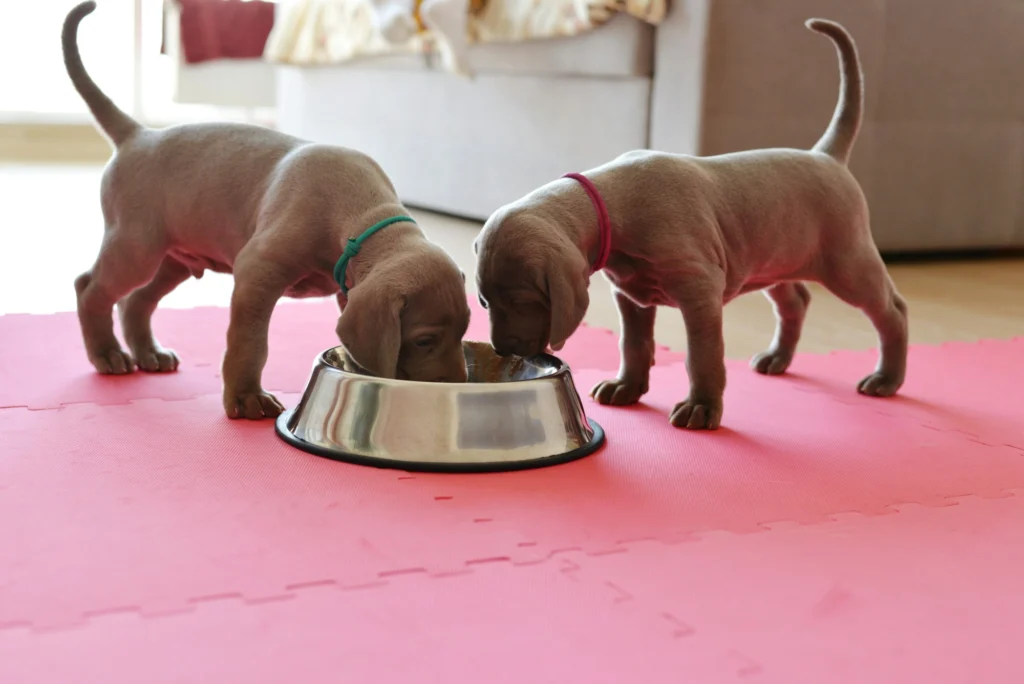
- Early competition. The ASPCA notes that young puppies often compete with littermates for limited food, and that puppies fed from one shared pan can learn that pushy behavior pays off.
- Past hunger or scarcity. Dogs from stray or shelter backgrounds may have had to fight for meals.
- A busy feeding area. Kids running past, another pet hovering, or a bowl in a tight walkway can make a dog feel crowded.
- People taking food away. Repeatedly removing the bowl “to show who is in charge” teaches the dog that approaching humans really do steal food.
- Pain or illness. A dog that suddenly starts guarding as an adult may be feeling unwell.
The AKC stresses that any dog can be prone to resource guarding, and that it is not specific to one breed. It depends on the individual dog and its environment.
When Food Guarding Starts Suddenly
If an easygoing adult dog suddenly starts guarding its bowl, book a vet visit before you start any training. A change in behavior can be the first clue that something hurts.
The AKC advises that dogs who develop resource guarding as adults should see the vet before training, because a change in behavior or a sign of aggression may point to an underlying medical issue. Dental pain, stomach upset, and sore joints can all make a dog more defensive when someone comes close during a meal.
Write down when it started, what triggers it, and whether your dog is also eating less, dropping food, or chewing on one side. Those notes help your vet. If your dog vomits, gags, or seems to be in pain while eating, call your vet rather than waiting.
How to Make Mealtimes Safe Right Now
The fastest way to make mealtimes safe is management: arrange the home so the guarding situation never comes up. Management does not cure guarding, but it keeps everyone safe while you work on it.
The ASPCA points out that in many cases food guarding doesn’t need to be treated, and that many owners simply leave their dogs alone while they eat or feed them in a separate room, in a crate, or behind a barrier. Practical steps that help:
- Pick one quiet spot. Feed in a low traffic corner, away from doorways and the kids’ play area.
- Use a gate or a crate. A baby gate lets your dog eat in peace while the family moves around freely.
- Feed pets apart. In multi pet homes, give each animal its own space, out of sight of the others. Our post on feeding multiple dogs in one household covers layouts that work.
- Set a house rule. Nobody touches, hovers over, or walks past the dog while it eats.
- Pick the bowl up later. Wait until your dog has walked away from the empty bowl before you collect it.
- Trade, never grab. If your dog steals food, toss a better treat away from the item instead of pulling it out of its mouth.
Separate feeding also helps physically. The AKC notes that separating dogs at feeding times may help reduce anxiety and stress around food, and a calmer dog is less likely to bolt its meal.
The Link Between Guarding and Gulping
Many food guarding dogs also eat very fast, because finishing quickly is another way to protect the meal. The ASPCA includes gulping the food in its list of warning signs during guarding exercises.
Gulping brings its own problems. The AKC explains that dogs who eat too fast can choke, vomit, or feel discomfort, and may face a higher risk of bloat. If you are not sure whether your dog’s speed is a concern, our checklist of signs your dog eats too fast is a good place to start.
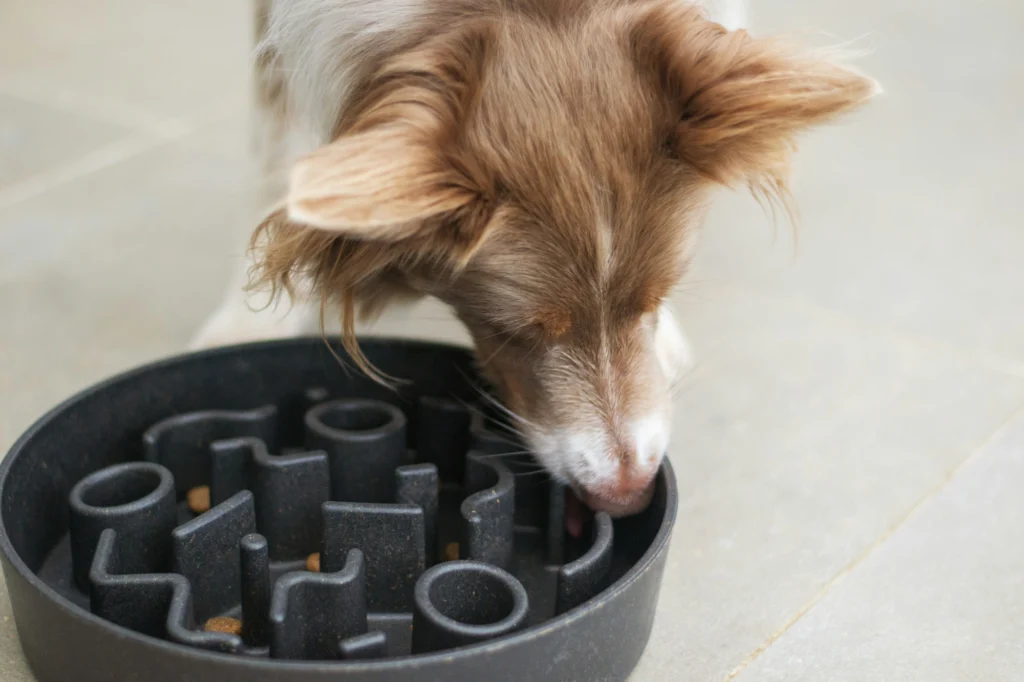
A calm feeding spot often slows a guarding dog down on its own, because the dog no longer feels it is racing anyone. A slow feeder can take that further. Interestingly, the ASPCA’s own food guarding advice suggests that if a dog eats so quickly that you have few chances to reward it during training, you can use a dish designed to slow down his eating. Slower meals give you more calm moments to work with.
Choosing a Bowl for a Dog That Guards
For a dog with food aggression, the best bowl is one that keeps the meal calm and does not tempt anyone to reach in. A slow feeder is not a cure for guarding, but it can be a helpful part of a calmer routine.
Things to look for:
- A stable, non slip base. If the bowl slides across the floor, someone ends up reaching for it mid meal. Pick one that stays put.
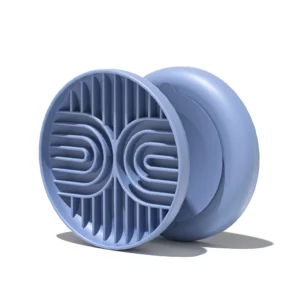
- A pattern your dog can solve. A frustrated guarder is a tense guarder. Start with an easy design, such as the shallow ridges of our Triple Maze Feeder, before trying harder puzzles.
- Easy to clean. You will pick it up after every meal anyway, so choose something simple to wash.
- The right size. Pets Sparkle bowls are built for small to medium dogs and cats, so very large breeds need a bigger feeder.
Introduce any new bowl gradually so it feels rewarding. Our guide to introducing your dog to a slow feeder walks through it step by step, and you can compare styles in our slow feeder bowls collection.
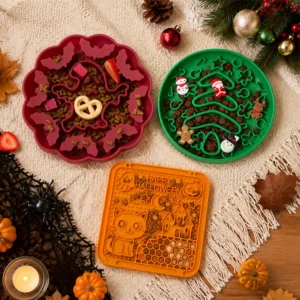
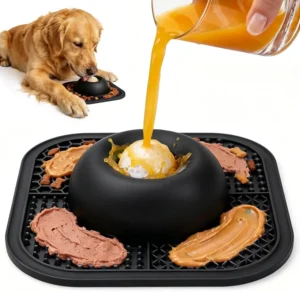
For calm time between meals, a lick mat in the dog’s own space can help too. The Slow Licking Mat gives a guarding dog something to settle with while it is safely behind a gate, and our post on calming anxious dogs at mealtimes has more ideas.
Training Your Dog to Relax Around the Bowl
Training for food aggression works by teaching your dog that a person approaching the bowl means something even better is coming, not that food is about to disappear. The ASPCA calls this desensitization combined with counterconditioning, and describes it as highly effective but fairly complex and detailed.
The general idea, which the ASPCA lays out in full stages on its page, looks like this:
- Start well outside your dog’s comfort zone, at a distance where it keeps eating calmly.
- Toss a very special treat, such as a small piece of plain cooked chicken, toward the bowl, then move away.
- Only move a little closer once your dog has eaten relaxed for many meals in a row. The ASPCA uses 10 relaxed meals in a row as the bar before each new stage.
- Go slowly. The AKC quotes a trainer who suggests starting 6 to 8 feet away and backing off if the dog stiffens or lifts a lip.
Please read the full ASPCA program before you begin rather than improvising. If your dog seems stressed, refuses to eat but still guards, or stops making progress, the ASPCA says to stop and get help. And it is clear that children should not do these exercises: if your dog guards from kids, it advises against attempting them with anyone under 18 years of age.
Prevention matters for new dogs too. The ASPCA suggests hand feeding several meals when a new dog comes home and, later, occasionally dropping a tasty extra into the bowl as you pass, so your presence at mealtime predicts good things.
What Not to Do
The most common mistake with dog food aggression is trying to prove you can take the food away. That approach usually makes guarding worse.
Avoid these:
- Punishing a growl. The ASPCA says not to punish or intimidate a dog that guards food.
- Yelling or hitting. The AKC quotes a trainer warning against yelling at or hitting the dog to “exert dominance,” because it may only serve to worsen the behavior.
- Repeatedly taking the bowl away. This confirms your dog’s fear that people steal food.
- Letting kids test the dog. Children are more likely to be bitten, so keep them away from the dog while it eats.
- Feeding pets side by side. Close quarters can turn a stare into a fight.
When to Get Professional Help
Get professional help right away if your dog has bitten or tried to bite, if children live in the home, or if training is not making progress. Food aggression is not something to push through on your own when the stakes are high.
The ASPCA recommends a Certified Applied Animal Behaviorist, a board certified veterinary behaviorist, or a Certified Professional Dog Trainer with education and experience in treating aggression. It also notes that children are more likely to be bitten because they are less able to read a dog’s warning signals. Start with your vet to rule out pain, then ask for a referral.
While you wait for that appointment, keep management in place every single meal: separate space, a gate, and a no approach rule.
Calmer Meals Start With Space
Dog food aggression is common, understandable, and often manageable. Give your dog a quiet place to eat, keep people and other pets out of its space, never punish a warning, and rule out pain with your vet. A stable slow feeder and calm enrichment can make meals less rushed while you work with a professional on the guarding itself. For more ways to keep your dog’s mind busy and settled, see our guide to mental stimulation for dogs, and if gulping is the bigger worry, our guide on how to stop a dog from eating too fast.
Get Your Free Slow Feeding Cheat Sheet
Everything in this article — plus portion charts, feeder comparisons and meal plans — in one printable PDF. A 15% discount code is included.
Frequently Asked Questions
Can food aggression in dogs be cured?
Many dogs improve a lot with careful desensitization and counterconditioning, which the ASPCA describes as highly effective when done step by step. Some dogs are better managed than fully cured, especially when guests or children are involved. A qualified behavior professional can tell you what is realistic for your dog.
Should I take my dog’s food away to show who is boss?
No. Taking food away teaches your dog that people approaching the bowl really do steal meals, which can make guarding worse. The AKC and ASPCA both warn against punishment and intimidation. Instead, teach your dog that your approach brings something better, and give it space while it eats.
Why did my dog suddenly start guarding its food?
Sudden guarding in an adult dog can be a sign of pain or illness, so the AKC advises a vet visit before any training. Dental pain, stomach trouble, or sore joints can make a dog defensive at mealtime. Changes at home, such as a new pet or baby, can also trigger it.
Do slow feeders help with food aggression?
A slow feeder does not fix guarding on its own, but it can help as part of a calmer routine. It slows down gulping, and the ASPCA even suggests a slow eating dish when a dog eats too fast to reward during training. Pair it with a quiet, separate feeding space.
Is food aggression dangerous around children?
It can be. The ASPCA says children are more likely to be bitten because they are less able to recognize warning signals. Keep children away from the dog while it eats, never let them do training exercises, and contact a qualified behavior professional if your dog guards from kids.
Sources

Digital marketing specialist at BrightSeen Marketing Agency. Turns veterinary research into clear, practical feeding guides for pet parents.
Mahmoud works for BrightSeen Marketing Agency, which looks after our SEO and GEO and Meta ads.
View all articles by Mahmoud