 Written by
If you are deciding whether to feed dog once or twice a day, twice a day is the schedule most vets and nutrition experts suggest for healthy adult dogs, although one meal can work for some. What matters more than the number of meals is that the total daily portion is right for your dog and that each meal is eaten calmly.
This guide is about the rhythm of meals, not the size of the daily amount. If you still need to work out how much food your dog needs in total, start with our daily feeding amount guide by weight, then come back here to decide how to split it.
Below you will find what the experts say, a side by side comparison of one meal versus two, the dogs who need a fixed schedule, and simple steps for moving your dog from one bowl a day to two.
Slow Feeding for Weight Control & Portion Management
Get our expert cheat sheet delivered to your inbox — plus an exclusive 15% discount code for your first order.
Feed Dog Once or Twice a Day: The Short Answer
For most adult dogs, two meals a day is the safer default, although one meal a day can work for some healthy adults. Both schedules can meet a dog’s nutritional needs, as long as the full daily amount is measured and the food is complete and balanced.
The question usually comes up for practical reasons. Maybe your work hours changed, your dog skips breakfast, or you adopted a dog who was fed once a day in a previous home. Each of those is a real situation, and none of them has a single right answer. The sections below help you weigh the trade offs for the dog in front of you.
A good way to think about it: the daily portion decides your dog’s weight, and the meal schedule decides how that portion is delivered. Get the portion right first, then pick the schedule that keeps your dog comfortable, steady and calm at mealtimes.
What Vets and Nutrition Experts Recommend
Expert sources agree that two measured meals a day suits most adult dogs, while also saying the exact schedule is flexible for healthy adults. Here is what the main sources say, in their own terms.
- The ASPCA recommends feeding all dogs twice daily, dividing the daily amount into two meals spaced eight to twelve hours apart.
- The Merck Veterinary Manual describes portion controlled feeding, such as two premeasured meals at regular times each day, as the best way to prevent obesity in most adult dogs.
- Tufts Petfoodology, written by veterinary nutritionists, says healthy adults can eat once a day, twice a day or more, that the schedule is relatively flexible as long as daily needs are met, and that most families feed two meals.
- The RSPCA advises feeding your dog at least once a day unless your vet tells you otherwise.
So the short version is that once a day is the minimum, twice a day is the common recommendation, and your vet can adjust either one for your dog’s health.
Once a Day vs Twice a Day, Side by Side
Two meals a day spread hunger and food volume more evenly, while one meal a day is simpler but puts the whole portion in the stomach at once. The table below sums up the practical differences when you feed dog once or twice a day.
| Factor | One meal a day | Two meals a day |
|---|---|---|
| Food in the stomach at one time | The full daily portion | Half the daily portion |
| Gap between meals | About 24 hours | About 8 to 12 hours |
| Bloat risk (per the AKC) | Higher | Lower |
| Begging and hunger between meals | Often more noticeable | Usually easier to manage |
| Fits a busy owner | Very easy | Needs a morning and evening slot |
| Spotting a change in appetite | Once a day | Twice a day, so changes show sooner |
| Suits puppies | No | Only once they are older; young puppies need more meals |
That last row matters. A missed meal is easier to notice when there are two chances a day to see your dog eat, and a change in appetite is one of the earliest signs that something is off.
Bloat, Fast Eating and Meal Size
A single large meal raises bloat risk, especially for fast eaters, which is one of the strongest reasons to split food into two meals. Bloat, also called GDV, is a life threatening emergency in which the stomach fills with gas and can twist.
According to the American Kennel Club article on bloat, dogs fed one meal a day are twice as likely to bloat as dogs fed two meals a day, and fast eaters have five times the risk of slow eaters. The same article notes that stress and anxiety around feeding can also add to the risk.
Those two numbers point in the same direction. Less food per meal, eaten more slowly, in a calm space. If your dog is a deep chested or large breed, or simply inhales food, two meals plus a slower pace is worth the extra effort. Our post on whether slow feeders really prevent bloat explains what a bowl can and cannot do, and the dog bloat symptoms guide lists the warning signs.
If your dog is retching without bringing anything up, has a swollen or tight belly, drools heavily or seems restless and uncomfortable after a meal, call your vet or an emergency clinic right away. Do not wait to see if it passes.
Dogs Who Need a Set Feeding Schedule
Puppies, dogs with diabetes and dogs with digestive problems usually need a schedule chosen with your vet rather than a flexible one. For these dogs, the number and timing of meals is part of their care.
Puppies
Tufts Petfoodology notes that animals under 6 months of age are often fed at least three separate meals a day, because they have high needs and small stomachs. Adulthood starts at about one year, and up to 18 months in giant breed dogs. Our puppy feeding schedule by age walks through how meal counts change as a puppy grows.
Dogs with diabetes
Tufts also says your vet may recommend a more rigid twice a day schedule for a pet with diabetes, usually timed around insulin. Never change meal times for a diabetic dog without talking to your vet first.
Dogs with stomach or gut problems
For pets with gastrointestinal issues, the same Tufts article says vets may suggest smaller, more frequent meals. If your dog throws up bile in the morning or seems queasy before breakfast, mention the timing to your vet. Our post on why a dog throws up after eating covers when vomiting needs a vet visit.
How to Split the Daily Portion Into Two Meals
To feed twice a day, measure the full daily amount first, then divide it in half, so the total stays the same. Splitting the food never means adding more of it. Here is a simple routine for measuring portions for an adult dog.
- Find the daily amount. Use the feeding guide on the food label as a start, then adjust for your dog’s weight and body shape with your vet’s help.
- Weigh or measure it once. A kitchen scale is more consistent than a scoop. Measure the full day’s food into a container in the morning.
- Divide it into two equal meals. Put half in the bowl for breakfast and keep the other half for dinner.
- Space the meals. The ASPCA suggests eight to twelve hours apart, so 7 a.m. and 6 p.m. works well for many US households.
- Count treats inside the day. The Merck Veterinary Manual advises keeping treats under 10 percent of total daily calories. If you use a lot of training treats, take a little out of the dinner portion.
- Check body condition every few weeks. If your dog gains or loses, change the daily total, not the number of meals.
If your dog’s needs change with the seasons or with exercise, our guide on how to adjust dog food for activity level shows how to raise or lower the daily total without guessing. For the wider picture of weighing, measuring and body condition, see portion control for dogs.
Free Feeding, Timed Feeding and Portion Control
Measured meals at set times are easier to control than leaving food out all day, which is why most experts prefer them for adult dogs. The ASPCA describes three ways to feed.
- Portion control feeding: you measure the food and serve it in one or more meals a day. This is the method most often used for weight control.
- Free choice feeding: food is available all the time. The ASPCA notes that some dogs overeat and become obese this way.
- Timed feeding: food is put down for a set time, such as 30 minutes, then picked up whether or not it is finished.
Timed feeding pairs well with two meals a day. A picky dog learns that breakfast is there for a while and then gone, and you can see at a glance how much was eaten. If your dog leaves food two meals in a row, or suddenly stops eating, call your vet rather than changing the schedule yourself.
Making Each Meal Last Longer
Once meals are smaller, slowing them down helps your dog feel the meal happened instead of finishing it in seconds. A slower meal also supports calmer eating, which the AKC links with lower bloat risk.
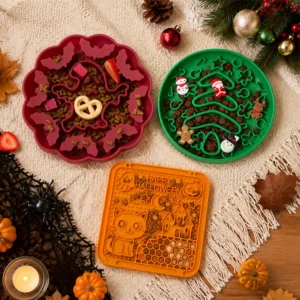
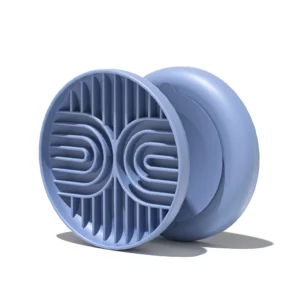
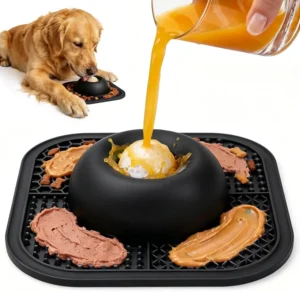
A maze bowl is the simplest change. The Triple Maze Feeder spreads kibble across channels so your dog has to work around them, and the Treat Maze Bowl does the same with a shallower pattern that suits beginners. Both are sized for small to medium dogs and cats. For the second meal of the day, some owners spread a little wet food on a Slow Licking Mat so the evening meal becomes a calm wind down.
At Pets Sparkle we suggest picking one tool for breakfast and keeping the routine the same for at least a week before you add anything new. You can compare every design in our slow feeder bowls collection. If your dog is overweight, our post on using a slow feeder for weight loss explains how to keep smaller meals satisfying.
Switching From One Meal to Two
Move a once a day dog to two meals gradually over about a week, keeping the daily total the same the whole time. Most dogs adjust quickly, but a slow change avoids an upset stomach and a confused dog.
- Days 1 and 2: serve about a quarter of the daily food at the new meal time and the rest at the usual time.
- Days 3 and 4: move to roughly a third at the new time and two thirds at the usual time.
- Days 5 to 7: split the daily amount evenly into two meals.
These steps are a practical routine, not a medical protocol, so slow down if your dog seems unsettled. Keep the meal times steady, feed in the same quiet spot, and give each dog its own bowl if you have more than one. If a dog refuses the new meal for more than a day or two, or the change brings vomiting or diarrhea, call your vet.
Pick a Rhythm and Keep It
When you decide whether to feed dog once or twice a day, remember that for most adult dogs two measured meals is the easy, low risk choice, and one meal a day is an option only for healthy adults after a chat with your vet. Measure the daily total, split it in half, keep the times steady, and slow each meal down. Your dog will settle into the rhythm faster than you expect.
Get Your Free Slow Feeding Cheat Sheet
Everything in this article — plus portion charts, feeder comparisons and meal plans — in one printable PDF. A 15% discount code is included.
Frequently Asked Questions
Is it okay to feed my dog once a day?
It can be for some healthy adult dogs. Tufts Petfoodology says healthy adults can eat once a day if their daily needs are met, and the RSPCA says at least once a day. The AKC links one meal a day with a higher bloat risk, though, so ask your vet first, especially for large or deep chested dogs.
What time should I feed my dog twice a day?
Pick two times that fit your day and space them eight to twelve hours apart, as the ASPCA suggests. Many US households use about 7 a.m. and 6 p.m. Consistency matters more than the exact clock time, so try to keep meals within the same half hour each day.
How much should I feed my dog at each meal?
Work out the full daily amount from the food label and your vet’s advice, then divide it in half for two meals. Do not give each meal the full label amount, because that doubles the food. Weigh portions on a kitchen scale and recheck your dog’s body shape every few weeks.
Is it bad to feed a dog three times a day?
No, as long as the daily total stays the same. Puppies under 6 months are often fed at least three meals, and vets sometimes suggest smaller, more frequent meals for dogs with digestive problems. For a healthy adult, three meals simply means three smaller portions of the same daily amount.
My dog skips breakfast. Should I switch to one meal?
Not straight away. Try timed feeding: put breakfast down for about 30 minutes, then pick it up. Many dogs start eating in the morning once they learn the routine. If your dog also skips dinner, loses weight, or seems unwell, call your vet instead of changing the schedule.
Sources

Digital marketing specialist at BrightSeen Marketing Agency. Turns veterinary research into clear, practical feeding guides for pet parents.
Mahmoud works for BrightSeen Marketing Agency, which looks after our SEO and GEO and Meta ads.
View all articles by Mahmoud