 Written by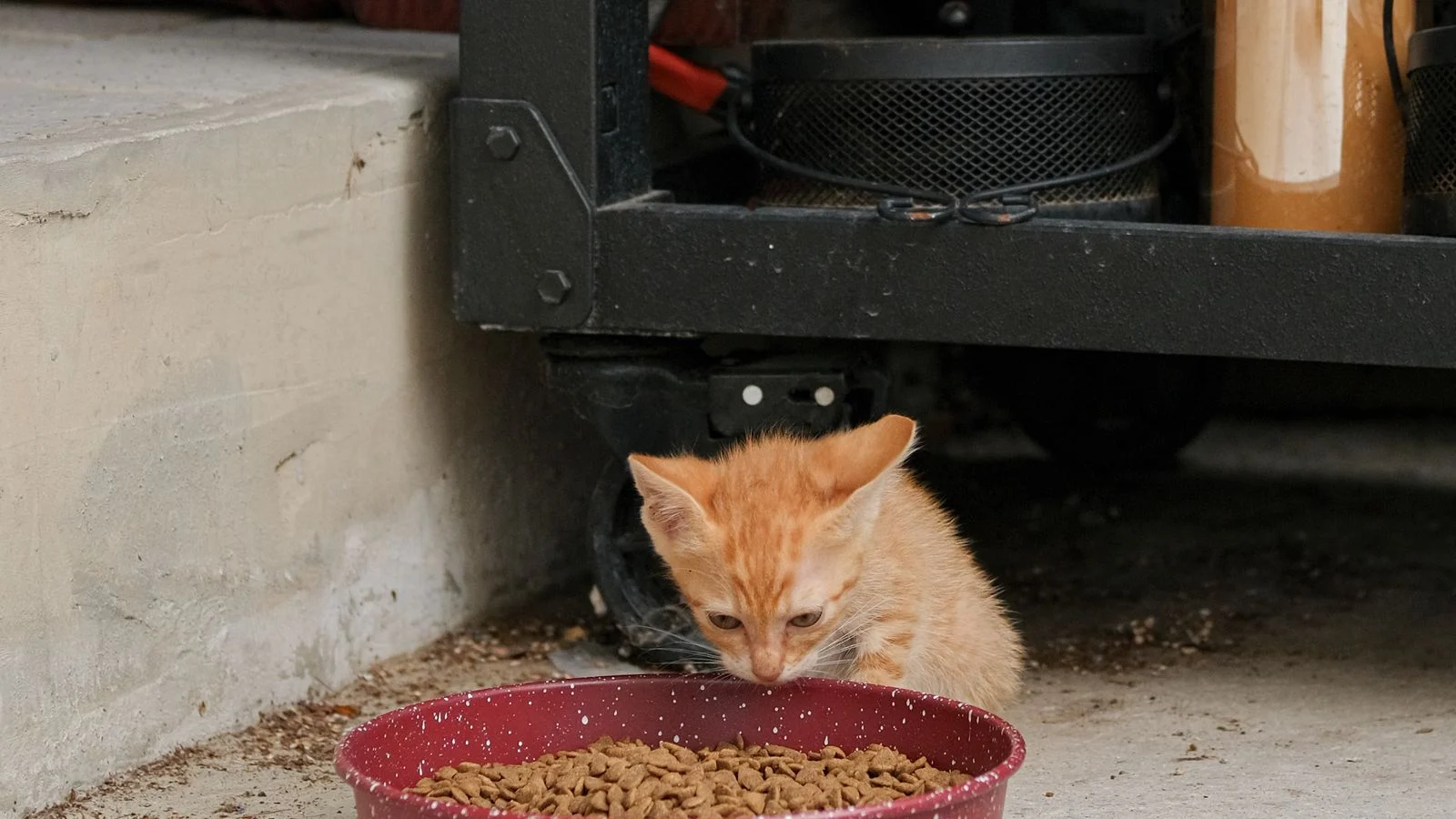
Kittens are tiny bundles of energy, and that enthusiasm often shows up at the food bowl. If your kitten gobbles every meal and then throws it right back up, you are not alone. Kitten slow feeding is a gentle, effective way to pace those meals, protect your kitten tummy, and turn eating into a fun little adventure. This guide walks you through why kittens eat fast and how to slow them down safely at every stage.
Slowing your kitten down is not about giving less food. It is about changing how they eat so their body can keep up. Done right, it reduces vomiting, supports healthy digestion, and adds mental enrichment your growing kitten will love.
Why Kittens Eat Too Fast
Kittens often eat quickly out of instinct. In a litter, food is a shared resource, so many kittens learn to eat fast before a sibling swoops in. Others simply have big appetites during the rapid growth spurts that define the first several months of a kitten life. Whatever the reason, gulping leads to swallowed air, an overloaded stomach, and the classic scene of a kitten eating and then vomiting minutes later.
Slow Feeding for Puppies & Kittens: Starting Right
Get our expert guide delivered to your inbox — plus an exclusive 15% discount code for your first order.
If your kitten frequently brings food back up, it is worth understanding the causes. Our article on why cats throw up after eating explains when fast eating is the culprit and when to call your veterinarian.
The Benefits of Kitten Slow Feeding
Pacing your kitten meals offers real advantages. It reduces regurgitation and gas, supports better digestion, and helps prevent overeating that can lead to unhealthy weight gain later in life. The AAHA and ASPCA both highlight the value of enrichment and healthy feeding routines for cats, and slow feeding delivers both.
There is a bonus, too. Working for food taps into your kitten natural hunting instincts, giving them mental stimulation that curbs boredom and, often, mischief. A busy kitten is a happy kitten, and one who is less likely to pester you at 5 a.m. or turn your houseplants into a chew toy.
Gentle Ways to Slow Your Kitten Down
The key with kittens is to start easy. Their small mouths and short attention spans mean you want simple, shallow challenges at first. Pushing too hard too soon can make a kitten give up or feel anxious around the bowl, so patience and gradual steps really pay off.
Start With Simple Tricks
Try spreading a small amount of wet food thinly across a flat plate so your kitten has to lick it up. For kibble, scatter a few pieces across a clean tray so they hunt and pounce. These no-cost methods are a great first step for very young kittens. A large, clean marble-free saucer or even an upside-down small dish placed inside a bigger bowl can create a simple obstacle that gently slows each bite without any special equipment.
Move to a Slow Feeder
Once your kitten is comfortable, a purpose-built slow feeder with a shallow, gentle pattern works wonders. A lick-friendly design is ideal for wet food and pate. Our Slow Licking Mat spreads meals into thin ridges that encourage licking instead of gulping, and it is easy to clean. For a bowl-style option, the Interactive Licking Bowl offers gentle pacing that suits curious kittens.
How to Introduce Slow Feeding to a Kitten
Go slowly and keep it positive. Introduce the new feeder during one meal a day at first, using a familiar food so the only change is the bowl. Praise your kitten and stay nearby the first few times. If they seem confused, place a little food on top of the ridges so they get an easy first win.
Never force it. If your kitten gets frustrated, switch back to a simpler pattern and try again in a few days. Most kittens catch on quickly once they realize the tasty reward is worth the effort. For more on cat-specific options, see our guide to slow feeders for cats.
Feeding Schedule and Portions
Young kittens need frequent meals, often three to four small servings a day, because their little stomachs cannot hold much at once. Smaller, more frequent meals also naturally reduce fast eating. Follow your veterinarian guidance on portion sizes, and always provide fresh water. As your kitten matures toward adulthood, you can gradually reduce meal frequency while keeping portions appropriate for a healthy weight. Consistent mealtimes also help your kitten feel secure and make it easier to notice quickly if their appetite ever changes, which can be an early sign that something needs a veterinarian visit.
Get Your Free Slow Feeding Guide
Everything in this article — plus portion charts, feeder comparisons and meal plans — in one printable PDF. A 15% discount code is included.
Frequently Asked Questions
At what age can I start kitten slow feeding?
Once your kitten is eating solid food comfortably, usually by a couple of months old, you can start with gentle methods like a flat plate or a shallow lick mat. Always supervise young kittens.
My kitten vomits right after eating. Will slow feeding help?
Often, yes. If fast eating is the cause, pacing meals frequently solves the problem. If vomiting continues despite slower feeding, check with your veterinarian to rule out other issues.
Are slow feeders safe for kittens?
Yes, when you choose a shallow, kitten-appropriate design made from food-grade material and supervise the first few meals. Avoid deep or complex mazes that could frustrate a small kitten.
Give Your Kitten a Calmer Start
Kitten slow feeding is one of the simplest ways to protect your kitten health while adding daily enrichment they genuinely enjoy. Start with easy tricks, move to a gentle slow feeder, and keep meals small and frequent. Before long, those frantic, gulping meals become calm, happy ones. Ready to help your kitten eat better? Explore kitten-friendly slow feeders and lick mats in the Pets Sparkle shop and set your little one up for a healthy, happy life.