 Written by
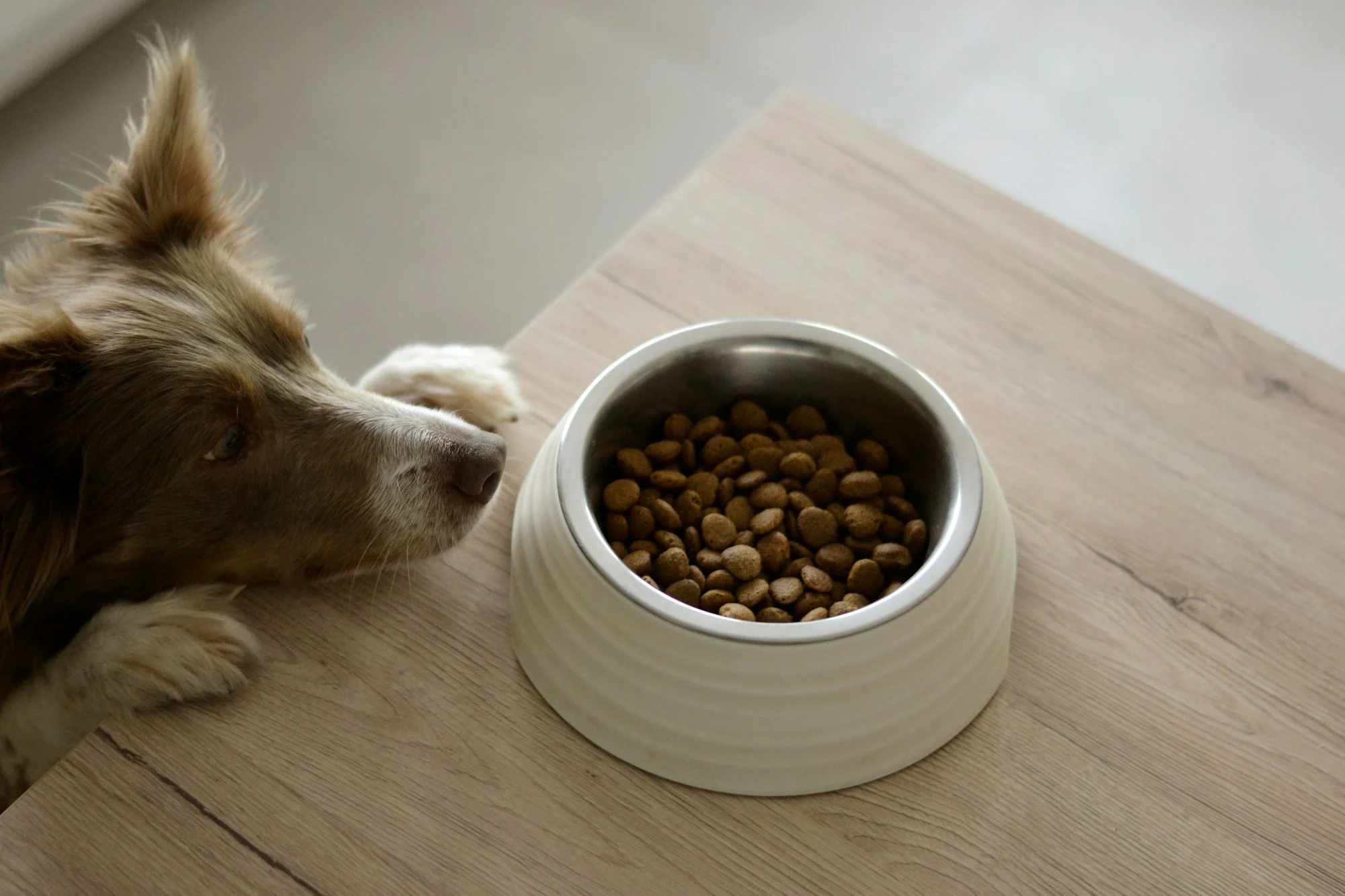
If your dog acts starved an hour after breakfast, you are probably asking why is my dog always hungry. Most of the time the answer is ordinary: dogs are built to want food, and many learn that looking hungry gets results. Sometimes, though, a big appetite is a sign of a health problem, especially when it comes with weight loss, extra thirst, or stomach upset.
This post walks through the everyday reasons a dog seems hungry all the time, the medical causes vets look for, how to tell real hunger from begging, and practical ways to help your dog feel more satisfied without overfeeding.
You will also learn when a hungry dog needs a vet visit rather than a fuller bowl.
Slow Feeding for Weight Control & Portion Management
Get our expert cheat sheet delivered to your inbox — plus an exclusive 15% discount code for your first order.
Why Is My Dog Always Hungry? The Short Answer
Most dogs that seem always hungry are healthy dogs with a strong food drive, a predictable routine, and an owner who responds to their requests. VCA Animal Hospitals notes that dogs may overeat for several reasons, including not feeling full, boredom, or simply enjoying the taste of their food.
That does not mean every hungry dog is fine. VCA also states that increased appetite is not normal when a pet loses weight despite eating more. So the real question is not only “Is my dog hungry?” but also “What else is changing?”
Here is a simple way to sort it out. A dog who is hungry but holding a steady, healthy body shape usually has a feeding or behavior issue. A dog who is hungry and losing weight, drinking more, or having stomach trouble needs a vet to look for the cause.
Normal Reasons a Dog Seems Hungry All the Time
Several everyday factors can make a perfectly healthy dog seem permanently hungry. Most of them are easy to spot once you know where to look.
Growth, hard exercise, and pregnancy
VCA lists high energy needs as a normal reason for a bigger appetite. That includes growing puppies, dogs that exercise hard such as hunting dogs, and pregnant or nursing females. If your puppy is in a growth phase, an eager appetite is expected. Our puppy feeding schedule by age shows how meals change as puppies grow.
Diet quality and calorie density
VCA also notes that a poor-quality diet can lead pets to eat more to meet their energy needs. If you recently switched foods, compare the calories per cup on both labels, since the same scoop can deliver a very different amount of energy. Recalculate the portion whenever the food changes.
Boredom and a learned routine
Food is exciting, and for an under-stimulated dog it may be the most interesting event of the day. Dogs also learn household patterns quickly. If a treat appears every time the fridge opens, your dog will show up every time the fridge opens, whether or not their stomach is empty.
Meals that disappear too fast
A dog who inhales dinner in a few gulps gets a short, unsatisfying meal and often goes looking for more right away. Check our list of signs your dog eats too fast to see whether that describes your dog. Slowing the meal down is one of the simplest changes you can make, and we cover how further down.
Medical Causes of Increased Appetite in Dogs
Several health conditions can raise a dog’s appetite, and they usually show up alongside other signs. VCA Animal Hospitals lists these among the disease causes of increased appetite:
- Diabetes mellitus. The Merck Veterinary Manual says common signs include increased thirst and urination, along with increased appetite and weight loss.
- Cushing’s disease. VCA lists it among conditions where a bigger appetite appears together with other signs. Merck adds that insulin resistance and diabetes are also seen in many dogs with Cushing disease.
- Intestinal parasites, especially in puppies.
- Exocrine pancreatic insufficiency (EPI), where food is not properly digested and nutrients are not absorbed.
- Inflammatory bowel disease and other conditions that reduce how well the intestine absorbs nutrients.
- Cancer, which can raise the body’s calorie demand.
Medication can play a part too. VCA notes that corticosteroids such as prednisone can increase appetite. If your dog started a new prescription and suddenly seems ravenous, mention it to your vet before you change the food amount on your own.
To find the cause, VCA explains that vets often start with basic screening: a complete blood count, a serum biochemistry profile, a urinalysis, and stool tests for parasites. More specific tests follow depending on the results. Only your vet can tell you whether any of these conditions applies to your dog, so treat this list as a reason to ask questions, not as a diagnosis.
Hungry or Just Begging? How to Tell the Difference
Begging is often about habit and attention rather than an empty stomach. The Tufts Petfoodology team at Cummings School of Veterinary Medicine points out that once your vet confirms a pet’s calorie and nutrient needs are met, a pet that keeps begging may simply think it needs more than it does.
Signs that point to habit or attention:
- Your dog begs at the same moments every day, such as your mealtimes or when the fridge opens
- The begging stops when you offer play, a walk, or a cuddle
- Your dog keeps a steady weight and a healthy body condition
- The begging starts soon after a full meal
Signs that point to a real change worth checking:
- The hunger started suddenly and is new for your dog
- Your dog is eating more but losing weight
- Your dog is drinking and urinating more than usual
- There is vomiting, diarrhea, or a change in the stool
- Your dog has started stealing food or raiding the trash when they never did before
To judge body condition, use the hands-on check in our dog portion control guide: you should be able to feel the ribs without pressing hard and see a waist from above. It also helps to keep a short written log of meals, treats, begging times, and weight. Patterns jump out quickly on paper, and the log is useful to bring to your vet.
Labradors, Genes, and Food Motivation
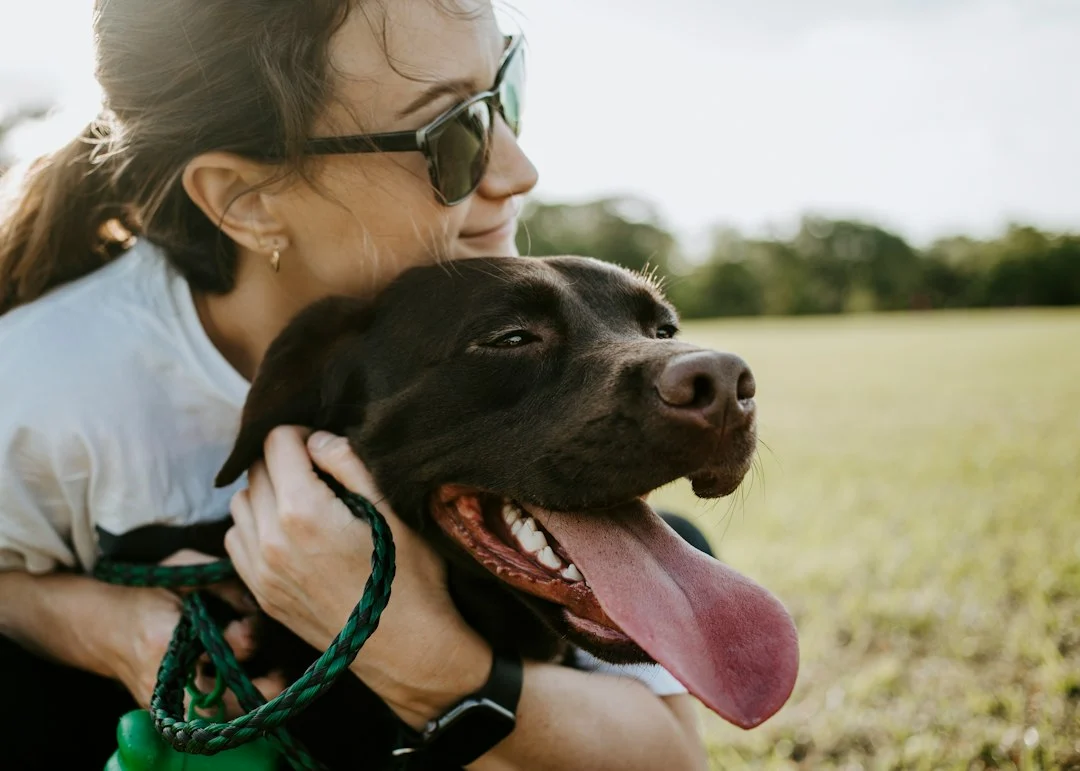
Some dogs really are wired to feel hungrier than others. VCA Animal Hospitals explains that a mutation in the POMC gene has been shown to contribute to increased body weight, increased body fat, and increased food motivation, and that it has only been shown to play a role in Labrador Retrievers and the closely related Flat-Coated Retriever.
According to VCA, approximately 25% of Labrador Retrievers carry this mutation. The proteins made by this gene are thought to help signal fullness, so an affected dog may not get the “I am full” message after a normal meal and can stay hungry.

The encouraging part is that VCA says the effects can be overcome with careful regulation of calorie intake and exercise. A genetic test is available for Labradors and Flat-Coated Retrievers, and there is no specific treatment yet, so the plan is the same one that works for any food-driven dog: measured meals, counted treats, regular exercise, and mealtime enrichment. Your vet can help you set the right calorie target.
How to Help a Dog Who Always Seems Hungry
Once your vet has ruled out a medical cause, these steps help a healthy dog feel more satisfied without adding extra pounds.
- Measure every meal. Use a measuring cup or a kitchen scale and base the amount on your dog’s ideal weight, not a guess. Our guide on how much to feed a dog walks through daily amounts by weight.
- Split the daily amount into smaller meals. VCA suggests dividing the day’s food into multiple small meals, and the Tufts Petfoodology team also recommends more frequent, smaller meals for pets that beg.
- Count every treat. VCA advises that a maximum of 10% of your dog’s daily calories should come from treats and snacks. Tufts suggests setting aside part of the daily food to use as treats instead of extras.
- Add low-calorie volume, with your vet’s approval. VCA notes that fruits and vegetables are high in moisture and fiber, which makes them low in calories. Ask your vet which ones suit your dog, and see our lick mat toppings guide for dog-safe ideas.
- Ask about a weight-loss diet if your dog needs one. VCA says therapeutic weight-loss diets tend to have higher fiber and protein, which help with satiety. Your vet can tell you whether one makes sense.
- Swap some food rewards for attention. Tufts recommends replacing some eating or treat times with social activities such as grooming, walking, or agility.
- Keep everyone on the same plan. When several people feed the dog, extra meals sneak in. One measured container per day keeps it simple, and our post on feeding multiple dogs in one household helps when food stealing is part of the problem.
If your dog is also carrying extra weight, our guide to using a slow feeder for dog weight loss pairs these steps with a practical plan.
Make Meals Last Longer With Slow Feeders and Puzzles
Slowing a meal down does not change the calories, but it can change how satisfying the meal feels. VCA recommends using an interactive food toy that releases a few kibbles at a time as the dog moves it, and the Tufts Petfoodology team suggests food puzzles to slow down and separate feedings.
Ideas to try with your dog’s normal daily portion:
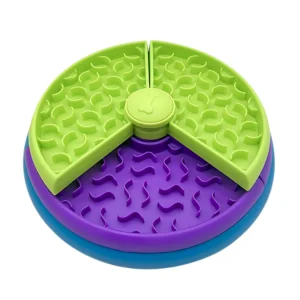
- A maze bowl. The Pets Sparkle Triple Maze Feeder turns a measured portion of kibble into a longer, more engaging meal for small and medium dogs.
- A puzzle for part of the ration. The Brainy Puzzle Feeder adds brain work to mealtime, which helps dogs whose hunger is partly boredom.
- A lick mat for calm downtime. Spread a thin layer of wet food from the daily allowance on a Slow Licking Mat so a small amount lasts longer.
- The muffin tin trick. VCA suggests placing pieces of kibble or bites of canned food in each cup of a muffin tin, or hiding small portions around the house or yard.
You can browse every option in our slow feeder bowls collection. For more ways to keep a food-driven dog busy, see our guide to mental stimulation for dogs and our post on how puzzle feeders beat boredom.
When to Call Your Vet
Call your vet if your dog’s appetite changes suddenly or comes with other symptoms. As VCA puts it, a bigger appetite is not normal when a pet is losing weight while eating more.
Book a visit when:
- Your dog is eating more but losing weight
- Your dog is drinking and urinating more than usual
- The bigger appetite began after a new medication
- You notice vomiting, diarrhea, or a change in the stool
- A puppy seems ravenous but is not growing well
- A senior dog suddenly seems hungrier than ever
If your dog vomits after meals, chokes on food, or has a swollen belly and is retching without bringing anything up, do not wait for a routine appointment. Call your vet or an emergency clinic right away. Our posts on why a dog throws up after eating and dog choking on food explain what to watch for.
Help Your Hungry Dog Feel Satisfied
Why is my dog always hungry? For most dogs, the answer is a strong food drive, a learned routine, and meals that vanish too quickly. Measure meals, count treats, split the daily amount, and use slow feeders or puzzles to stretch each portion. If the hunger is new, or it comes with weight loss, thirst, or stomach upset, let your vet take a look first.
Small changes to how you serve food can make a big difference to a dog who always seems to want more, and they turn mealtime into something your dog can enjoy for longer.
Get Your Free Slow Feeding Cheat Sheet
Everything in this article — plus portion charts, feeder comparisons and meal plans — in one printable PDF. A 15% discount code is included.
Frequently Asked Questions
Why is my dog always hungry but losing weight?
Eating more while losing weight is a reason to see your vet soon. VCA Animal Hospitals says increased appetite is not normal when a pet loses weight despite eating more. Possible causes include diabetes, intestinal parasites, and digestion or absorption problems such as exocrine pancreatic insufficiency, and only testing can tell them apart.
Is it normal for a dog to always act hungry?
For many healthy dogs, yes. VCA notes that dogs may overeat because they do not feel full, because they are bored, or simply because they love the taste of their food. If your dog keeps a steady weight and good body condition, a strong appetite is usually a feeding and routine issue rather than a medical one.
How do I know if my dog is really hungry or just begging?
Look at timing and body condition. Begging that happens at the same times each day, stops when you offer attention, and comes from a dog at a healthy weight is usually habit. Hunger that is new and sudden, or that comes with weight loss or extra thirst, points to a real change your vet should check.
What can I give my dog to help them feel full?
Talk to your vet first. VCA notes that fruits and vegetables are high in moisture and fiber and low in calories, and that therapeutic weight-loss diets often have higher fiber and protein to help with satiety. Slow feeders and puzzle toys can also make a measured meal last longer and feel more rewarding.
Why is my Labrador always hungry?
Labradors are known for food motivation, and genetics may be part of it. According to VCA Animal Hospitals, approximately 25% of Labrador Retrievers carry a POMC gene mutation linked to increased food motivation and body weight. Careful control of calories and regular exercise can overcome its effects, and a genetic test is available.
Sources
The veterinary resources referenced in this post:
- VCA Animal Hospitals: Testing for Increased Appetite
- VCA Animal Hospitals: Feeding a Dog Who is a Glutton
- VCA Animal Hospitals: Pro-opiomelanocortin (POMC) Gene Mutation
- Tufts Petfoodology: Battling the Bulge? Troubleshooting Tips for Pet Weight Loss
- Merck Veterinary Manual: Disorders of the Pancreas in Dogs

Digital marketing specialist at BrightSeen Marketing Agency. Turns veterinary research into clear, practical feeding guides for pet parents.
Mahmoud works for BrightSeen Marketing Agency, which looks after our SEO and GEO and Meta ads.
View all articles by Mahmoud