 Written by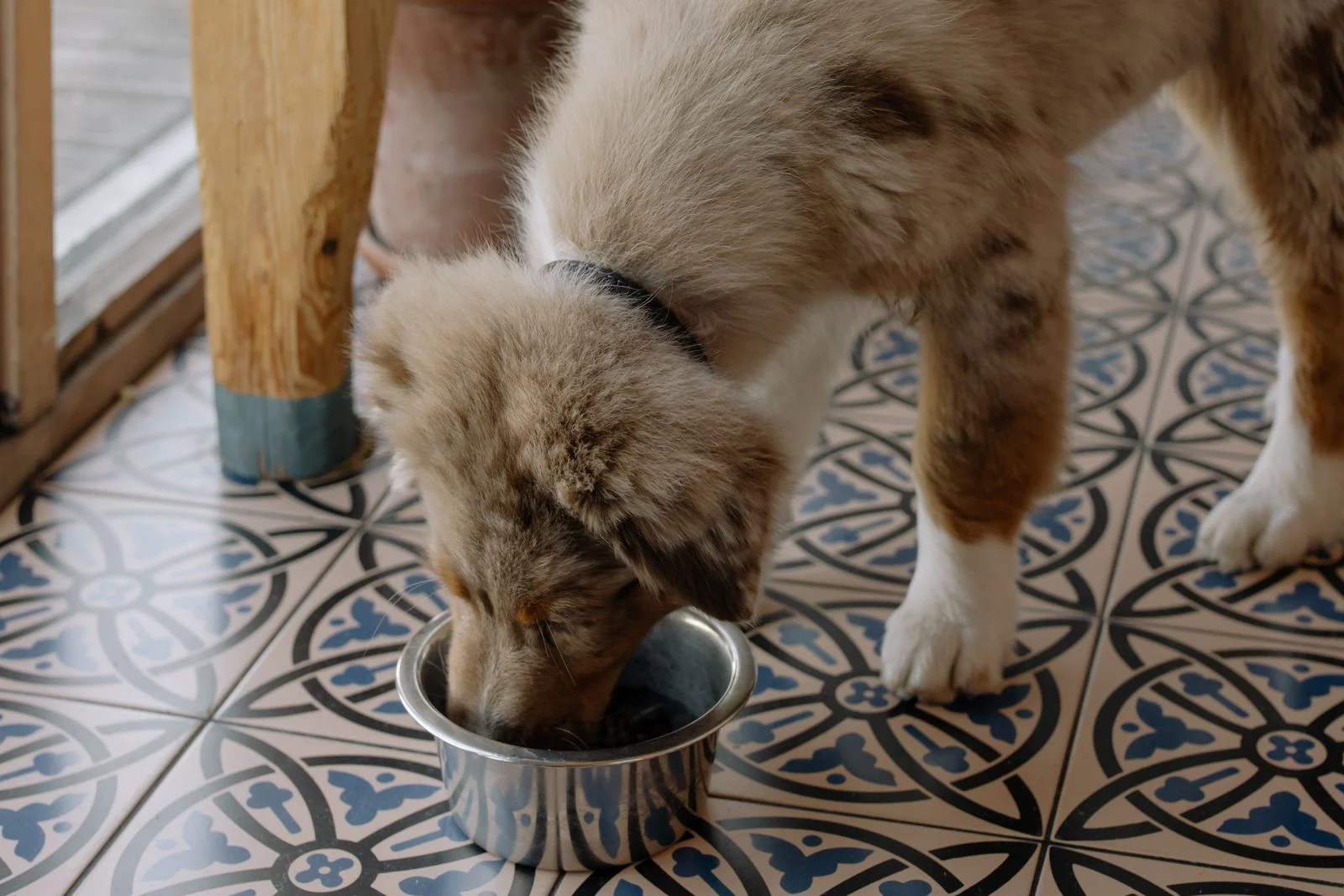
Bloat is one of the scariest words a dog parent can hear. It comes on fast, it can turn life-threatening within hours, and it hits certain breeds especially hard. If you have been researching ways to protect your dog, you have probably run into a common claim: that a slow feeder can help. So do slow feeders prevent bloat, or is that wishful thinking?
The honest answer is nuanced. A slow feeder is not a cure or a guarantee, but it does address one recognized risk factor. Let us look at what bloat actually is, what raises the risk, and where a slow feeder fits into a smart prevention plan.
What Is Bloat in Dogs?
Bloat, known medically as gastric dilatation, happens when a dog’s stomach fills with gas, food, or fluid and expands. In its most dangerous form, gastric dilatation-volvulus (GDV), the swollen stomach twists on itself, cutting off blood flow and trapping gas inside. This is a true emergency that requires immediate veterinary care.
Slow Feeding for Better Digestion & Bloat Prevention
Get our expert guide delivered to your inbox — plus an exclusive 15% discount code for your first order.
The AVMA and veterinary specialists describe GDV as rapidly progressing and potentially fatal without prompt treatment. Signs include a swollen belly, unproductive retching, restlessness, drooling, and obvious distress. If you see these, get to an emergency vet right away.
Which Dogs Are Most at Risk?
Bloat can affect any dog, but deep-chested, large breeds are the most vulnerable. Great Danes, German Shepherds, Standard Poodles, Weimaraners, and Saint Bernards top the list. According to the American Kennel Club (AKC), risk factors include eating one large meal a day, eating too quickly, stress around mealtime, and a family history of the condition.
Notice how many of those factors involve how a dog eats, not just what it eats. That is exactly where a slow feeder can play a role.
Do Slow Feeders Prevent Bloat?
Here is the key point: a slow feeder cannot guarantee that your dog will never bloat, because the condition has several causes, some of them still not fully understood. What a slow feeder can do is reduce one well-documented risk factor, which is rapid eating and the air-gulping that comes with it.
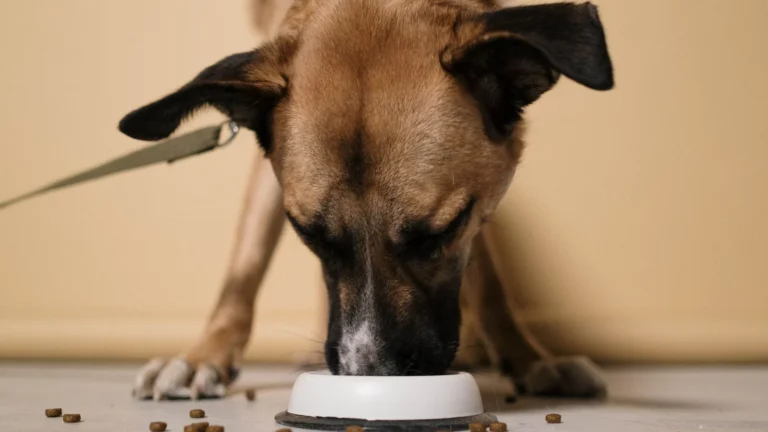
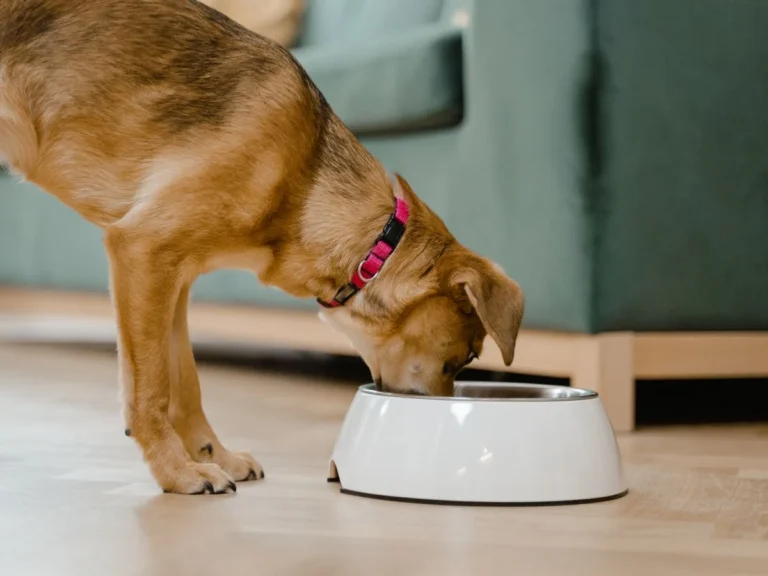
When a dog inhales its food, it swallows large amounts of air along with the meal. That extra air contributes to a distended, gas-filled stomach. By forcing your dog to eat slowly and take smaller bites, a slow feeder like the Triple Maze Feeder cuts down on swallowed air and gives the stomach a gentler, more manageable pace.
Think of it as one important layer in a larger prevention strategy, not a standalone shield. For at-risk breeds, reducing gulping is a sensible, low-cost step that many owners and veterinarians support.
A Complete Bloat Prevention Plan
Because bloat has multiple triggers, the best protection combines several habits. Use these alongside a slow feeder.
Feed Smaller, More Frequent Meals
Instead of one big daily meal, split the food into two or three smaller portions. This reduces the volume in the stomach at any one time and eases digestion.
Slow the Pace
A quality slow feeder is your main tool here. For big breeds, a wide, deep maze bowl works well, and our guide to the best slow feeders for large dogs can help you choose the right size.
Manage Activity Around Meals
Avoid vigorous exercise for about an hour before and after eating. Let your dog rest and digest, especially on hot summer days in states like Florida or Arizona when dogs may gulp water too.
Reduce Mealtime Stress
Feed in a calm, quiet spot. In multi-dog homes, competition can speed up eating, so separate bowls or rooms help. Our tips on feeding multiple dogs in one household make this easier.
When to Talk to Your Vet
If you own a high-risk breed, have a frank conversation with your veterinarian. Some owners of giant breeds choose a preventive surgical procedure called gastropexy, often done during spay or neuter, which tacks the stomach in place to prevent twisting. Your vet can advise whether that makes sense for your dog, and no feeding tool replaces that professional guidance.
How to Introduce a Slow Feeder Safely
If your at-risk dog has always eaten from a regular bowl, ease into the new routine so the change itself does not cause stress. Start by placing the usual portion into the slow feeder and letting your dog investigate at its own pace. Offer calm praise, and if your dog seems frustrated, scatter a few pieces on top to build confidence in the first few meals. Keep the feeder in the same quiet spot each day so mealtime feels predictable. Wash it regularly, since the grooves that pace your dog also trap food. Within a week, most dogs settle into slower, calmer eating that supports their long-term health.
Get Your Free Slow Feeding Guide
Everything in this article — plus portion charts, feeder comparisons and meal plans — in one printable PDF. A 15% discount code is included.
Frequently Asked Questions
Do slow feeders prevent bloat completely?
No. A slow feeder reduces one risk factor, rapid eating and air-gulping, but it cannot eliminate every cause of bloat. It works best as part of a broader prevention plan that includes portion timing and stress reduction.
Are slow feeders worth it for large breeds?
Yes. For deep-chested, at-risk dogs, slowing the meal is a simple and affordable precaution. Choose a large, sturdy bowl that suits your dog’s size and eating style.
What are the warning signs of bloat?
Watch for a swollen belly, repeated unproductive retching, restlessness, heavy drooling, and signs of pain or distress. Bloat is a medical emergency, so contact an emergency vet immediately if you notice them.
Protect Your Dog With Calmer Meals
So, do slow feeders prevent bloat? They are not a magic fix, but they meaningfully reduce a known risk by keeping your dog from gulping air with every bite. Paired with smaller meals, calm feeding, and your vet’s advice, a slow feeder is a smart part of protecting your dog. Explore our range of large-breed slow feeders and enrichment tools in the Pets Sparkle shop and give your dog safer, more relaxed mealtimes today.