 Written by
Dog gas after eating usually comes from one of two places: air your dog swallowed while gulping the meal, or food that ferments as it moves through the gut. A little gas every day is normal, but a sudden increase, or gas that shows up with diarrhea, vomiting or a sore belly, is a reason to call your vet.
If your dog clears the room an hour after dinner, you are not alone. The good news is that the most common mealtime causes are easy to spot once you know what to look for, and many of them can be fixed with small changes to how and what you feed.
This post explains where mealtime gas comes from, how fast eating adds to it, which foods tend to make it worse, a simple way to tell air gas from food gas, practical steps that help, and the signs that mean gas is not the real problem.
Slow Feeding for Better Digestion & Bloat Prevention
Get our expert cheat sheet delivered to your inbox — plus an exclusive 15% discount code for your first order.
Dog Gas After Eating: The Quick Answer
Most gas after a meal is a normal part of digestion and is not a sign of illness. The American Kennel Club notes that a small amount of gas each day is normal in dogs, and that gut bacteria naturally produce gas as they break down food.
When gas becomes frequent or very smelly, the usual suspects are speed and diet. Fast eaters swallow extra air along with their kibble. Rich foods, table scraps, dairy and sudden food switches can all increase the gas made in the gut. Less often, ongoing gas points to a medical problem that needs a vet.
So the useful question is not just “why is my dog gassy?” but “is my dog gassy because of how they eat, what they eat, or something else?” The rest of this post walks through each one.
Where Mealtime Gas Comes From
Gas in a dog’s gut has two main sources: air that goes in through the mouth, and gas made inside the intestines during digestion. Both leave the body the same way, as a burp or as flatulence, which is why it can be hard to tell them apart from the outside.
Gas made during digestion
According to the AKC, after a meal the bacteria in the intestinal tract break food down into nutrients, and digesting certain foods produces smelly hydrogen sulfide gas in the colon. That is the gas with the strong odor most owners notice.
An older AKC column on dogs with terrible gas adds an important detail. Ingredients that are hard to digest pass through the small intestine without being absorbed and arrive in the colon, where they have to ferment to break down. That fermentation is what produces extra gas. The same column says large amounts of fat, eating too much food, and ingredients a dog cannot digest well, such as lactose, can all lead to flatulence.
Gas that was swallowed
The second source is plain air. Every time a dog gulps food, some air goes down with it. The AKC explains that once air is taken in, it can only leave the digestive tract by belching or flatulence. A dog that inhales its meal therefore swallows more air, and more of that air has to come out later.
Swallowed Air: The Fast-Eater Factor
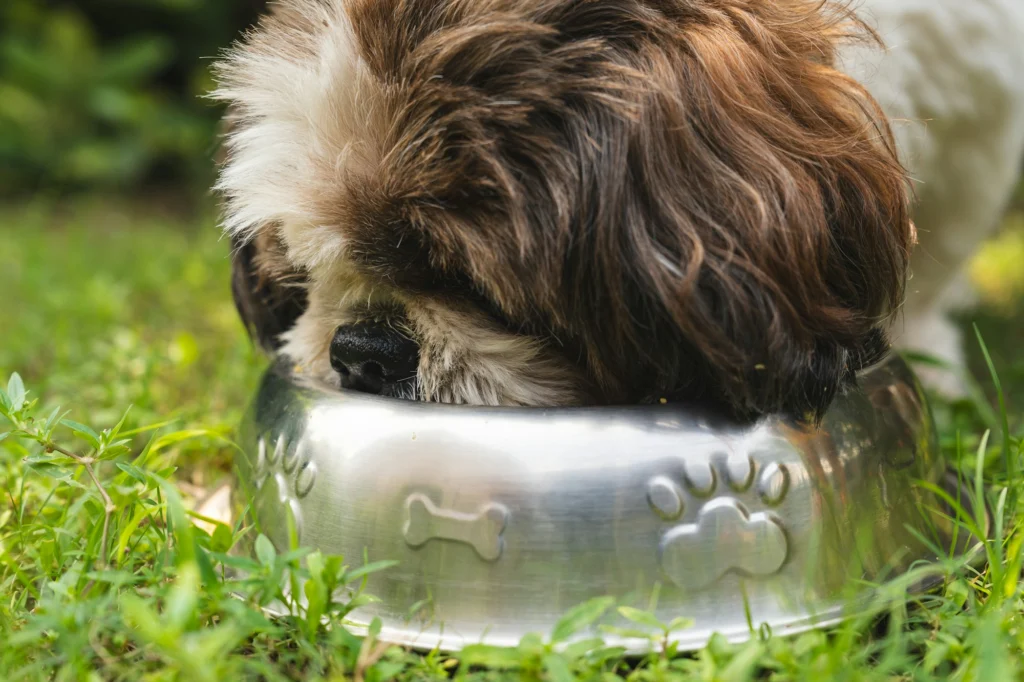
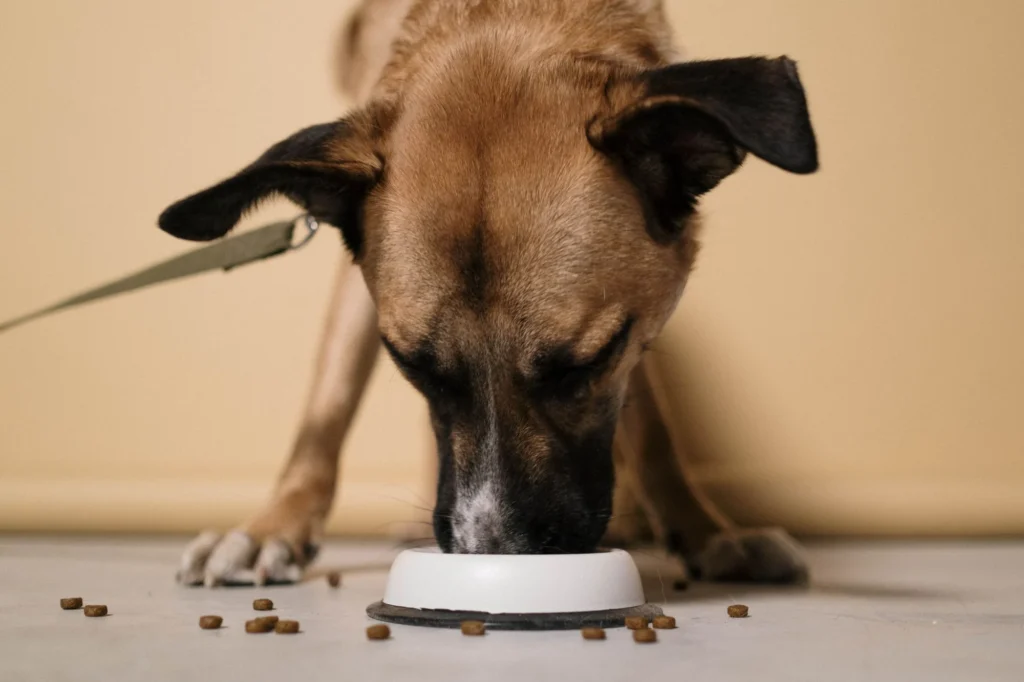
Eating too fast is one of the most common and most fixable causes of gas after meals. When a dog bolts food, it takes big gulps with little chewing, and each gulp carries air into the stomach.
Tufts Petfoodology, run by veterinary nutritionists at Tufts University, puts it plainly: fast eating can increase the amount of air that is ingested, which can cause burping or flatulence. The same article describes a Labrador who ate about 500 calories in 19 seconds from a regular bowl. With a slow feeding bowl, the same meal took her over 3 minutes.
That difference matters for gas. A meal eaten in seconds means many large, air-filled gulps. A meal eaten over a few minutes means smaller bites, more chewing and less swallowed air.
Dogs more likely to gulp air
- Speed eaters. Dogs that finish in seconds and then lick the empty bowl. Our post on the signs your dog eats too fast lists what to watch for.
- Flat-faced breeds. The PDSA notes that brachycephalic (flat-faced) breeds are prone to swallowing air when they eat. Pugs, French Bulldogs and Boston Terriers often fall into this group, and we cover bowl shapes for them in our guide to slow feeders for flat-faced dogs.
- Dogs that compete for food. A dog that feels it must race a housemate tends to gulp. The AKC suggests feeding such a dog alone so it is less stressed and hurried. Our post on feeding multiple dogs in one household has setups that help.
- Excited eaters. Dogs that spin, bark and pounce on the bowl often swallow air before they even start eating. The same gulping can trigger other mealtime quirks, like dog hiccups after eating.
Food Triggers That Feed the Problem
What your dog eats affects how much gas the gut produces, and a few triggers come up again and again in veterinary advice. If your dog eats at a normal pace but still has strong gas, diet is the next place to look.
Sudden food changes
Switching foods overnight is a classic cause. The AKC says changing foods too quickly can cause gas, diarrhea and other digestive issues, and recommends making the transition gradually over about a week so the digestive system can adapt.
Table scraps, fatty food and dairy
Human food that is high in fat or sugar is harder for dogs to digest. The AKC also points out that most dogs are lactose intolerant, so milk, cream and cheese can upset the stomach. The PDSA lists table scraps, fatty foods, scavenged food, spoiled food and dairy among the common causes of smelly or excessive gas.
Scavenging and counter surfing
A dog that raids the trash, the counter or the litter box is eating things its gut was not ready for. Keep bins closed, clear counters after cooking, and practice a reliable “leave it.” That protects your dog from unsafe items as well as from an unpleasant evening.
Gassy vegetables and hard-to-digest ingredients
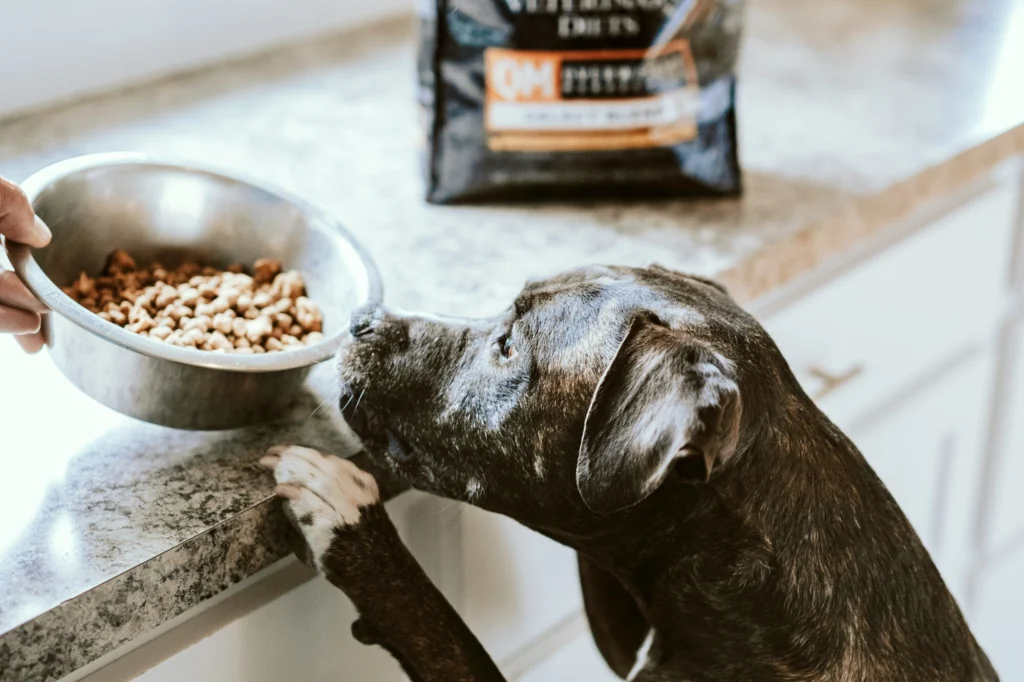
Some healthy foods still make gas. The AKC names cauliflower, broccoli and Brussels sprouts as dog-safe vegetables that can increase farting in large amounts. For dogs with ongoing gas, the AKC suggests asking your vet whether a highly digestible, low-residue diet with fewer ingredients like peas, beans and soybeans might help. Never change your dog’s main diet for a medical reason without that conversation.
Air Gas or Food Gas? How to Tell
You can often tell which type of gas your dog has by looking at timing, smell and how your dog eats. These are rough clues, not a diagnosis, but they help you decide what to change first.
| Clue | Points to swallowed air | Points to diet |
|---|---|---|
| How the meal goes | Food is gone in seconds, lots of gulping | Normal pace, but gas follows anyway |
| Burping | Burps soon after eating are common | Burping is less of a feature |
| Smell | Gas may be loud but less smelly | Strong, sulfur-like odor |
| What changed recently | New housemate, more excitement at meals | New food, treats, scraps or scavenging |
| What to try first | Slow the meal down | Remove extras, keep food changes gradual |
Many dogs have a bit of both. A fast eater on a rich food may swallow air and ferment more food at the same time, so it often makes sense to slow meals down and clean up the diet together.
Mealtime Changes That Cut Down on Gas
The simplest way to reduce gas after eating is to slow your dog down, serve smaller amounts, and keep the menu steady. Try these steps in order and give each one a week or two before judging the result.
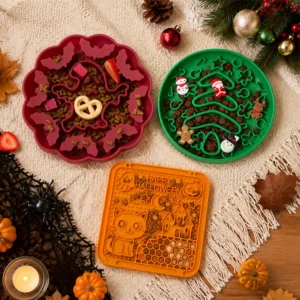
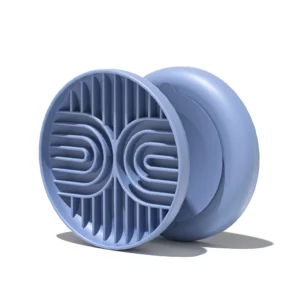
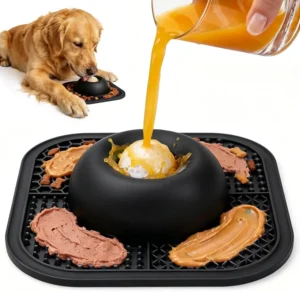
- Use a slow feeder bowl. Raised ridges or a maze force your dog to take smaller bites, which means less swallowed air. The AKC lists slow-feed bowls as a way to encourage a more controlled pace. If you are new to them, our explainer on how slow feeder bowls work covers the basics. For small and medium dogs, the Treat Maze Bowl from Pets Sparkle and the three-pattern Triple Maze Feeder are both made for this job, and you can compare more designs in our slow feeder bowls collection.
- Split the daily amount into smaller meals. Both AKC articles suggest dividing daily food into smaller meals. Smaller portions mean less to gulp at once. Our post on whether to feed your dog once or twice a day explains how to split meals without overfeeding.
- Feed competitive dogs apart. Separate rooms or crates at mealtime remove the race, so each dog can eat at its own pace.
- Add a little water to dry food. The AKC column on terrible gas says mixing food with water reduces the gulping of air when chewing and swallowing. Ask your vet if this suits your dog’s diet.
- Make every food change slowly. Mix new food into the old over about a week, as the AKC recommends.
- Cut the extras. Stop table scraps and dairy, and keep treats within a small share of the daily diet.
- Keep your dog moving. The AKC notes that regular exercise supports healthy digestion and that a lack of exercise is linked with excess gas. A walk at a sensible time after meals is a good habit.
For a full plan that goes beyond gas, see our guide on how to stop a dog from eating too fast.
Gas, Burping or Bloat? Know the Difference
Ordinary gas is uncomfortable but not dangerous, while bloat is a life-threatening emergency that can look like “a gassy tummy” at first. Knowing the difference can save your dog’s life.
Bloat, or gastric dilatation-volvulus (GDV), happens when the stomach fills with gas and can twist. The AKC calls it a medical and surgical emergency and lists these warning signs:
- An enlarged abdomen
- Retching
- Salivation
- Restlessness
- Pain, such as whining when you press on the belly
A dog that is passing gas normally and otherwise acting like itself is very different from a dog that is trying to vomit without bringing anything up, drooling and pacing with a tight belly. If you see the second picture, call your vet or an emergency clinic right away. Do not wait to see if it passes.
Tufts also notes that gobbling food may be a risk factor for GDV in dogs, which is one more reason to slow down a fast eater. You can read more in our post asking do slow feeders prevent bloat and in our guide to dog bloat symptoms.
When Gas Means a Vet Visit
Call your vet if your dog’s gas changes suddenly or comes with any other symptom. The PDSA advises contacting your vet if gas smells worse or happens more often than usual, or if your dog also has diarrhea, vomiting or weight loss.
The AKC lists several medical conditions that can cause excess gas and digestive upset, including colitis, inflammatory bowel disease, intestinal parasites, pancreatitis and cancer. Food allergies and intolerances can also play a part, and your vet may suggest a restricted diet to find the trigger.
Book a visit, or call for advice, if you notice:
- A sudden increase in gas with no change in food
- Gas together with diarrhea, vomiting or blood in the stool
- Weight loss or a drop in appetite
- Signs of belly pain, such as hunching or not wanting to be touched
- Gas that continues after you have slowed meals and cleaned up the diet
Avoid giving gas remedies from your own medicine cabinet. The PDSA warns never to give your dog human medications unless your vet tells you to. If your dog vomits after meals as well, our post on why dogs throw up after eating explains what to tell your vet.
Quieter Meals, Happier Bellies
Dog gas after eating is usually a mix of swallowed air and normal digestion, and both can often be reduced at home. Slow your dog down with a slow feeder, split meals, feed competitive dogs apart, change foods gradually and skip the scraps.
Keep watching the bigger picture. Gas that appears suddenly, keeps getting worse, or comes with vomiting, diarrhea, weight loss or a swollen belly needs your vet, and signs of bloat need emergency care right away.
Get Your Free Slow Feeding Cheat Sheet
Everything in this article — plus portion charts, feeder comparisons and meal plans — in one printable PDF. A 15% discount code is included.
Frequently Asked Questions
Why does my dog get gas right after eating?
Gas soon after a meal is often swallowed air. Dogs that eat fast take big gulps that carry air into the stomach, and that air leaves as burps or flatulence. Tufts Petfoodology notes that fast eating increases ingested air. Slowing meals with a slow feeder bowl, smaller portions and feeding dogs apart usually helps.
Is it normal for a dog to fart after every meal?
Some gas is a normal part of digestion, and the AKC says most dogs pass a little every day. Gas after every meal that is loud or very smelly is worth a closer look at eating speed and diet. If it appears suddenly or comes with diarrhea, vomiting or weight loss, contact your vet.
Can a slow feeder help with dog gas?
A slow feeder can help when gas comes from gulped air, because it forces smaller bites and a slower pace. The AKC lists slow-feed bowls as a way to reduce the air dogs swallow while eating. It will not fix gas caused by a food intolerance or illness, so speak to your vet if gas continues.
What foods make dogs gassy?
Common triggers include table scraps, fatty foods, dairy, spoiled or scavenged food, and sudden diet changes, according to the PDSA and AKC. Vegetables like broccoli, cauliflower and Brussels sprouts can also add gas in large amounts. Keep food changes gradual over about a week and ask your vet before changing diets.
When is dog gas an emergency?
Gas alone is rarely an emergency, but a swollen belly with retching, drooling, restlessness or pain can be bloat, which the AKC calls a medical and surgical emergency. If you see those signs, call your vet or an emergency clinic immediately. Do not wait to see if it settles on its own.
Sources
The veterinary resources referenced in this post:

Digital marketing specialist at BrightSeen Marketing Agency. Turns veterinary research into clear, practical feeding guides for pet parents.
Mahmoud works for BrightSeen Marketing Agency, which looks after our SEO and GEO and Meta ads.
View all articles by Mahmoud